Written by Samantha Jafar
⏳5 minutes of your time could win you a $50 gift card! 🎉Help us design our new adaptive apparel launch by sharing your experience. 👕 Link Here 👈
Introduction
Accessible beauty is about more than easy-open packaging or readable labels. It is about recognizing that people live at the intersection of multiple identities race, gender, disability, and more. In the United States, over 61 million adults live with a disability, according to the Centers for Disease Control and Prevention. At the same time, conversations about racial equity and gender inclusivity continue to reshape the beauty industry.

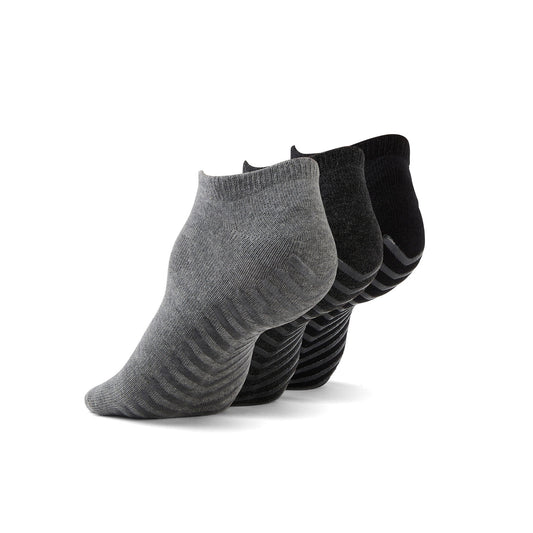
Everyday Crew Anti-Slip Socks (3 pairs)
Compounded Barriers for People with Multiple Marginalized Identities
Intersectionality, a term coined by legal scholar Kimberlé Crenshaw, describes how overlapping identities can create compounded discrimination. In accessible beauty, this means a person may face barriers related to disability, race, and gender identity simultaneously.
For example:
-
A Black woman with low vision may struggle to find foundation shades that match her skin tone and are labeled in large, high-contrast print.
-
A wheelchair user who is also transgender may find that accessible packaging exists, but only in products marketed toward a gender that does not reflect their identity.
-
A person with limited grip strength may find adaptive packaging yet only in brands that lack inclusive shade ranges.
These layered barriers are not theoretical. According to the U.S. Census Bureau, disability rates are higher among communities of color due to longstanding health inequities and socioeconomic disparities. That means accessible beauty conversations must also include racial equity.
Compounded barriers often show up in subtle ways:
-
Limited shade options in accessible product lines
-
Marketing imagery that excludes disabled people of color
-
Gendered packaging that reinforces stereotypes
-
Price points that exclude marginalized communities
Accessibility cannot operate in isolation. If a brand creates tactile labels but ignores shade inclusivity, the experience is still incomplete.
True inclusive design requires asking a broader question: Who might we be unintentionally excluding?

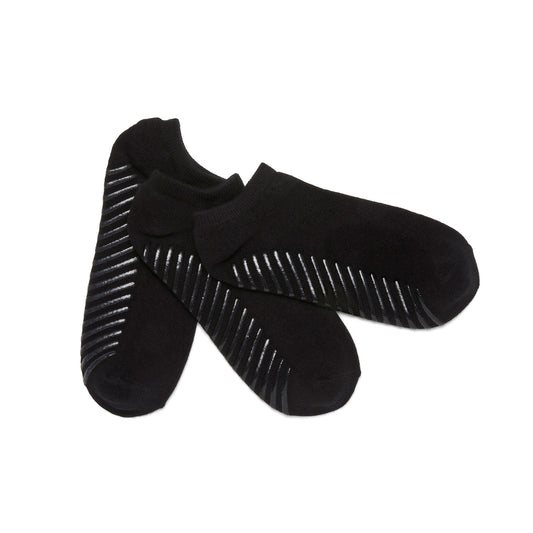
Comfort Crew Anti-Slip Socks (3 pairs)
Shade Range Expansion and Accessible Packaging in Products of Color
The expansion of shade ranges in U.S. beauty markets has gained momentum in recent years. Brands that offer 40 or more foundation shades are responding to long-standing calls for racial inclusion. However, accessibility must evolve alongside shade diversity.
Accessible packaging and inclusive shade ranges should not exist in separate conversations.
Consider common challenges:
-
Shade names printed in small, low-contrast text
-
Identical packaging for different tones
-
Pump dispensers that require strong grip strength
-
Glossy labels that create glare for low-vision users
For customers with visual impairments, distinguishing between similar shades can be difficult if packaging lacks tactile markers or clear labeling. For customers with limited dexterity, twist-off caps or stiff pumps create barriers regardless of shade availability.
Accessible improvements in products of color can include:
-
High-contrast labeling that clearly differentiates shade numbers
-
Raised symbols or tactile dots that correspond to shade families
-
Pump or airless dispensers that reduce grip strain
-
QR codes linking to audio shade descriptions
According to the National Eye Institute, millions of Americans live with visual impairment, including many who retain partial vision. High-contrast, glare-reducing packaging benefits both low-vision users and customers shopping under varied lighting conditions.
Inclusive beauty must ensure that people of color with disabilities are not forced to choose between representation and usability.
At June Adaptive, we see accessible hygiene and beauty as interconnected. Representation without functionality is incomplete. Functionality without representation is exclusionary.
Gender-Neutral Accessibility Addressing Non-Binary and Trans Needs
Gender identity plays a significant role in how beauty products are marketed and packaged. Traditional beauty aisles are often divided into “men’s” and “women’s” sections, with color coding and fragrance labeling reinforcing binary norms.
For non-binary and transgender individuals, especially those with disabilities, this division can create added discomfort.
According to the Williams Institute at UCLA School of Law, approximately 1.6 million people in the U.S. identify as transgender. Disabled trans and non-binary individuals may face overlapping stigma in retail spaces.
Accessible beauty must address both physical usability and gender affirmation.
Common concerns include:
-
Overly gendered packaging colors
-
Product names that reinforce stereotypes
-
Lack of inclusive imagery in marketing
-
Inaccessible store layouts that require navigating segregated sections
Gender-neutral accessibility can look like:
-
Minimalist packaging not coded to a specific gender
-
Fragrance descriptions based on scent notes rather than gender labels
-
Inclusive language in product instructions
-
Adaptive clothing and hygiene products designed for diverse body shapes
For example, a hygiene product designed with easy-grip packaging should not be limited to a “men’s” line if its scent or branding alienates non-binary users.
Accessible design must respect identity. It must affirm that beauty and hygiene are human experiences not gendered privileges.
At June Adaptive, gender-neutral adaptive fashion is central to our mission. Accessibility and affirmation go hand in hand.
Racial Equity in Disability Accessibility Discussions
Disability advocacy spaces in the United States have historically lacked racial diversity in leadership, media representation, and product development conversations. At the same time, racial justice movements have not always centered disability access—whether that means physical accessibility at events, captioning and ASL interpretation in digital spaces, or acknowledging how ableism and racism intersect. When these two conversations remain separate, people who live at both identities are left navigating gaps on their own.
Bridging this divide is not optional in inclusive beauty and hygiene design—it is foundational.
According to the Centers for Disease Control and Prevention (CDC), disability prevalence varies across racial and ethnic groups in the U.S., shaped by systemic inequities in healthcare access, occupational risk, environmental exposure, and income inequality. These structural factors influence who is more likely to experience disability—and who is most affected when products, retail spaces, or marketing campaigns are inaccessible.
In beauty and personal care, this can show up in layered ways:
-
A person of color with a mobility disability may find that accessible store layouts exist primarily in higher-income neighborhoods.
-
A visually impaired shopper may find inclusive shade ranges—but without large-print or high-contrast labeling.
-
A low-income disabled consumer may see adaptive packaging only in premium product lines with higher price points.
Racial equity in accessibility discussions requires intentional structural change, not symbolic gestures. That includes:
-
Diverse representation in product testing panels, ensuring disabled people of color are included early in design phases.
-
Partnerships with disability advocates of color, not just as consultants, but as long-term collaborators.
-
Marketing imagery that reflects racial and disability diversity simultaneously, rather than treating them as separate campaigns.
-
Listening sessions that prioritize marginalized voices, particularly those who experience overlapping forms of exclusion.
When we apply this lens to beauty retail, important questions emerge:
-
Are accessible testers and applicators available across the full shade range—including deeper tones?
-
Are adaptive features—such as easy-open caps, tactile markers, or pump dispensers—introduced across all collections, not just prestige launches?
-
Do brands invest equally in accessibility for products marketed toward communities of color?
Equity also includes affordability. Accessible packaging and adaptive features should not come with a hidden surcharge. When accessibility is treated as a luxury upgrade, it reinforces economic barriers that disproportionately affect communities already facing systemic inequities.
Community-driven accountability plays a powerful role in shifting this landscape. Social media has amplified the voices of disabled creators of color, who review products, demonstrate usability challenges, and publicly call out exclusionary practices. Their lived experiences offer brands invaluable insight—if brands are willing to listen.
Inclusive innovation requires humility. It asks brands to move beyond assumptions and to recognize that intersectional experiences cannot be predicted from a boardroom. They must be invited, centered, and respected. When accessibility and racial equity are addressed together, beauty and hygiene products become more than functional—they become affirming, dignified, and truly inclusive.

Embrace The Stripes Of Uniqueness - Kids Hoodie
Accessible beauty must reflect intersectionality where race, gender identity, and disability overlap. In the U.S., millions of people navigate compounded barriers when inclusive shade ranges, gender affirmation, and accessible packaging are treated as separate issues. This blog explores how brands can center intersectional design through high-contrast labeling, adaptive packaging, gender-neutral marketing, and equitable representation. June Adaptive highlights why inclusive innovation must consider the full spectrum of lived experience to create beauty and hygiene products that truly empower everyone.
Brands Centering Intersectionality in Product Development and Valued
Intersectional design is not a trend. It is a responsibility.
Brands that center intersectionality in development processes often begin by asking:
-
Who is not represented in our design team?
-
Are we testing products with people across racial, gender, and disability identities?
-
Do our marketing visuals reflect real diversity?
Practical steps brands can take include:
-
Conducting accessibility audits across all shade ranges
-
Incorporating tactile markers in full product lines, not select editions
-
Offering gender-neutral product descriptions
-
Partnering with advocacy organizations serving diverse communities
Intersectional design also involves:
-
Transparent communication about accessibility features
-
Pricing strategies that avoid “accessibility markups”
-
Community surveys that invite diverse participation
At June Adaptive, our commitment to inclusive innovation means designing adaptive clothing and accessible hygiene products with intersectionality in mind. That includes considering body diversity, mobility needs, skin tone representation, and gender affirmation.
When intersectionality guides design, the result is more than compliance. It is connection.
Why Intersectionality Strengthens the Future of Accessible Beauty
Accessible beauty is evolving. Consumers increasingly expect brands to reflect social awareness and ethical responsibility.
Intersectional design strengthens:
-
Brand credibility
-
Customer loyalty
-
Market reach
-
Community trust
It also aligns with broader demographic shifts. The United States continues to grow more racially and ethnically diverse, while disability prevalence remains significant across age groups.
Designing for intersectionality is not about complexity. It is about completeness.
Accessible beauty should:
-
Reflect a wide spectrum of skin tones
-
Offer packaging that supports diverse motor abilities
-
Use language that affirms varied gender identities
-
Invite feedback from marginalized communities
When brands acknowledge layered identities, they create products that feel intentional rather than generic.
At June Adaptive, we believe inclusive design is strongest when it is multidimensional. Accessibility does not replace representation. Representation does not replace usability. Both must exist together.
Beauty, at its best, should empower every person who holds the product in their hand.
If you enjoyed this blog, please sign up to the June Adaptive Newsletter below to receive more updates! ⏳5 minutes of your time could win you a $50 gift card! 🎉Help us design our new adaptive apparel launch by sharing your experience. 👕 Link Here 👈