Written by: Hannah Martin
⏳5 minutes of your time could win you a $50 gift card! 🎉Help us design our new adaptive apparel launch by sharing your experience. 👕 Link Here 👈
Introduction
Plant-based beauty has blossomed into an entire movement, one that blends wellness, sustainability, and self-care into a single ritual. But for people with sensitive skin, this natural shift can be tricky. What's gentle for one person might be an irritant for another. Understanding which ingredients work with your skin, rather than against it, is essential to making the transition successfully. We'll guide you through making informed choices that honor both your skin's needs and the planet's health. So buckle up, lots of important information ahead.
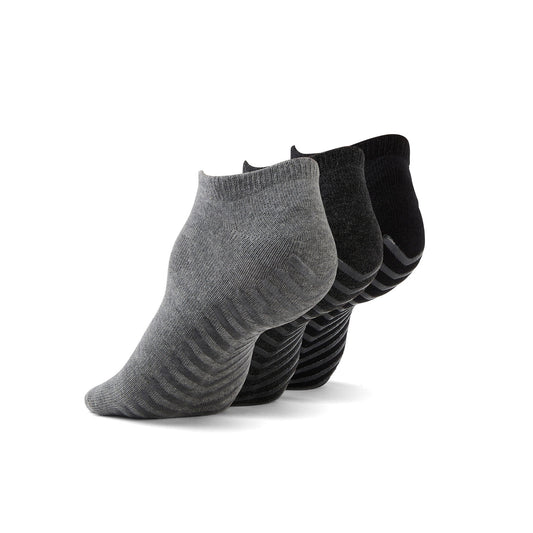
 Ankle Anti-Slip Socks
Green beauty standards and ingredient transparency
The term "green beauty" often sounds straightforward, but it's surprisingly open to interpretation. Many "natural" or "eco-friendly" claims lack regulation in the U.S., leaving customers to navigate vague promises and confusing labels. Without clear standards, it becomes easy to fall for greenwashing when brands use environmental buzzwords without backing them up with genuine sustainable practices.
True green beauty should go way beyond trendy packaging or a sprig of leaves on the label. It's about ingredient integrity, ethical sourcing, and honesty. A genuinely green product keeps ingredient lists short and recognizable, including products such as aloe, jojoba oil, or shea butter. It also should avoid harsh additives such as parabens, sulfates, or artificial fragrances. When you can pronounce and understand every ingredient, you're much more likely to avoid potential irritants.
Transparency is just as important as sustainability. Brands that share their sourcing methods, botanical names, and full ingredient details show they respect your right to make informed choices. This openness is especially vital when managing conditions like eczema or hypersensitivity, where knowing exactly what's touching your skin can make all the difference. Look for reputable certifications like USDA Organic or ECOCERT, and pay attention to the first few ingredients on a label (those are what make up most of what's actually in the bottle). Oh, also, remember that green packaging doesn't guarantee green ingredients!
Common plant allergens to avoid with sensitive skin
Nature's power can soothe or irritate, depending on your skin's particular needs. Even ingredients derived from plants can be too potent when concentrated or extracted improperly. The key is understanding which botanicals work for your unique skin profile.
For example, lavender and tea tree oils are famous for their calming and antimicrobial qualities but may trigger redness when used on reactive or rosacea-prone skin. Similarly, citrus oils like lemon and bergamot can increase UV sensitivity, making your skin more vulnerable to sun damage. Eucalyptus or peppermint oils may cause tingling or burning sensations in delicate areas, especially around the eyes or on freshly cleansed skin. Even classics like witch hazel or chamomile can be drying or allergenic for some users, despite their reputation for gentleness.
The safest approach is to simplify. Choose fragrance-free, low-ingredient formulations and perform a patch test before fully applying a new product. Apply a small amount to your inner wrist or behind your ear and wait 24 hours to see if any reaction occurs. Plant-based staples such as aloe vera, colloidal oatmeal, and cold-pressed jojoba oil usually offer soothing hydration without the sting. Think of it like curating your closet; sometimes fewer but higher-quality pieces make for the most comfortable fit.
Wildcrafted and sustainably sourced ingredients
"Wildcrafted" ingredients have become buzzwords in natural skincare, evoking images of untouched forests and pure botanical potency. In reality, the story is more nuanced. Wild-sourced ingredients can be rich in nutrients thanks to growing in their natural habitat without pesticides or artificial interventions, but only when harvested ethically and sustainably.
Responsible wildcrafting ensures that plants are gathered without harming biodiversity or depleting ecosystems. This means harvesters take only small quantities, allow sufficient regrowth, and respect indigenous stewardship practices where applicable. It's a careful balance between utilizing nature's gifts and preserving them for future generations. Some brands proudly disclose origin details, such as rosehip oil from Chilean cooperatives or lavender grown on regenerative farms in Provence.
When reading labels, transparency about origin is a sign of integrity. Look for mentions of partnerships with small growers or certifications like FairWild or Rainforest Alliance, which help protect ecological balance. Sustainability also extends beyond ingredients to include recyclable packaging and reducing production waste, because protecting your skin shouldn't come at the planet's expense. Every purchase becomes a vote for the kind of world we want to live in.

Choose Balance Gender Neutral Sweatshirt
Certification systems indicating natural product authenticity
Certifications help you cut through marketing noise and identify genuinely safe, plant-based products. They also ensure that brands meet established standards for sustainability, purity, and ethical production. These third-party verifications mean a brand has submitted to independent audits and ongoing compliance checks.
Some of the most trusted indicators include:
-
USDA Organic (U.S.) requires at least 95% organically produced ingredients and prohibits synthetic pesticides and fertilizers. ECOCERT (Europe) guarantees minimal processing and renewable raw materials while ensuring environmental impact is considered throughout production. The COSMOS Standard unites multiple European organic systems under one sustainable framework, creating consistency across borders.
-
Leaping Bunny or PETA Cruelty-Free certifies that no animal testing occurs at any stage of product development or manufacturing. Non-GMO Project Verified ensures ingredients are free from genetically modified organisms, which some consumers prefer to avoid for health or environmental reasons.
If a brand lists multiple certifications and still provides full ingredient transparency, it's a strong signal that you're buying something authentic and responsibly made. These logos aren't just marketing; they actually represent real commitments to quality and ethics.
Accessible plant-based brands at various price points
One of the best things about today's plant-based beauty landscape is its inclusivity. From budget-friendly staples to high-end treatments, there's something for every skin type and wallet size. You don't need to spend a fortune to access quality natural products.
Affordable picks (under $20!) include Dr. Bronner's and The Honest Company, which lead the way with multi-use soaps, balms, and gentle body washes that prioritize purity without a luxury price tag. Dr. Bronner's castile soap, in particular, can be diluted for everything from face washing to household cleaning. Yes To products, widely available in pharmacies and drugstores, also feature simple fruit- and vegetable-based formulas that make natural beauty accessible to everyone.
Mid-range favorites ($20--$60) like Alaffia continue to set the bar for ethical sourcing through fair-trade shea butter cooperatives in Togo, directly supporting West African communities. Herbivore Botanicals blends minimalist design with botanically rich ingredients, creating products that look beautiful on your bathroom shelf while delivering real results. Burt's Bees offers reliable natural care with eco-friendly packaging, proving that mainstream brands can embrace sustainability too.
Premium indulgences ($60 and up) include OSEA Malibu and Tata Harper, offering eco-luxury lines that combine plant science with sustainability. OSEA uses seaweed and ocean-based ingredients for mineral-rich formulations, while Tata Harper produces everything on her Vermont farm with complete transparency. True Botanicals has earned a devoted following for scientifically backed natural formulas that feel as beautiful as they look, investing heavily in clinical testing to prove efficacy.
Whether you shop at a drugstore or an artisanal boutique, what matters most is how your skin responds and how confident you feel using it. Price doesn't always correlate with quality; a $12 bottle of pure jojoba oil outperforms a $75 designer serum. It all depends on your own skin.
How to build your own plant-based routine
Transitioning to a plant-based body care routine doesn't have to be overwhelming. Start with a few essentials and listen to how your skin reacts. You don't need to replace everything at once. In fact, introducing products gradually is often the best tactic as it allows you to identify what works best for your unique needs.
-
Begin with a gentle cleanser. Ideally made from saponified oils or oat-based surfactants, to lift impurities without stripping natural oils. Your skin's protective barrier depends on these natural oils, so harsh cleansers that leave your skin feeling tight or squeaky are actually doing more harm than good. Follow with a hydrating mist or water-based essence (like rose or chamomile hydrosol) to restore balance and prep your skin for moisture absorption.
-
Then, apply a light moisturizer or facial oil. Use ingredients such as squalane, jojoba, or shea to lock in moisture. Facial oils aren't as heavy as they sound; many are actually lighter than traditional creams and absorb beautifully. Once a week, try mild exfoliation using oatmeal or fruit enzymes rather than harsh scrubs with plastic microbeads or jagged particles that can create micro-tears in sensitive skin.
-
Finish your daytime routine with mineral sunscreen. Choose one that contains zinc oxide or titanium dioxide to protect against sensitivity and sun damage. Mineral sunscreens sit on top of your skin rather than being absorbed, making them less likely to cause irritation. Consistency is the goal, not perfection. Treat your skincare regimen like a wardrobe capsule, a few trusted essentials that make you feel your best daily.

The connection between comfort, confidence, and care
For sensitive skin, self-care is an act of empowerment. When you find products that nourish rather than irritate, you're reminded that comfort is both physical and emotional. There's profound dignity in choosing products that work with your body's needs instead of fighting against them.
Plant-based skincare aligns beautifully with adaptive living. It values simplicity, respect for the body, and the celebration of individuality. Every ingredient, like each piece of adaptive clothing, should support freedom, not restriction. Just as we design clothing that adapts to different abilities and needs, plant-based beauty embraces the reality that every person's skin is different and deserves customized care.
Ultimately, green beauty isn't about chasing perfection, but rather it's about finding harmony between nature and nurture, body and planet. Whether it's the organic cotton you wear or the aloe lotion you apply, both should honor the same principle: caring for yourself while caring for the world. When we make choices that are gentle on our skin and gentle on the earth, we create a more sustainable, compassionate future for everyone.
If you enjoyed this blog, please sign up to the June Adaptive Newsletter below to receive more updates!
Share your experience in our 5-minute survey to inform our new adaptive apparel launch. Get a chance to win a $50 gift card Link here