Written by: Hannah Martin
⏳5 minutes of your time could win you a $50 gift card! 🎉Help us design our new adaptive apparel launch by sharing your experience. 👕 Link Here 👈
Introduction
When you think about accessibility, you often picture ramps, elevators, or adaptive clothing. But here's something I've learned: accessibility can show up in the smallest, most everyday moments. I want to share what we've learned about how packaging engineers are shaping the future of accessible design. From their specialized training and collaboration with disabled communities to the impressive tools they use and the real return on investment that inclusion brings.

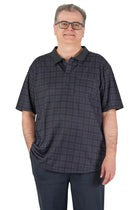
Good Vibes Only - Gender Neutral Crewneck Sweatshirt
Specialized training for engineers in inclusive design
Creating accessible packaging requires more than technical know-how; it demands a complete mindset shift. Traditional engineering programs focus on manufacturing efficiency, cost reduction, and aesthetics. But inclusive packaging starts with a fundamentally different question: "Who might be left out by this design?" A simple thought with life-changing results.
Training in human-centered and inclusive design helps engineers step into the shoes of all users. Here are some key principles they learn:
-
Universal design theory, which focuses on creating products that work for as many people as possible without needing special adaptation.
-
Human factors engineering examines how people physically and cognitively interact with objects in the real world.
-
Accessibility standards education, including Section 508 of the Rehabilitation Act in the U.S. and international guidelines like ISO 9241 on ergonomics of human-system interaction.
But here's what really excites me! Professional training now goes way beyond textbooks. Universities and design organizations are incorporating immersive simulations such as having trainees wear gloves that restrict fine motor control or glasses that mimic visual impairments. These exercises build genuine empathy and allow engineers to experience firsthand what it means to struggle with a slippery bottle or a stubborn cap. Cool, right!
Industry collaborations also offer continuing education programs where engineers can earn certificates in inclusive packaging design. These credentials are becoming increasingly valuable as consumer awareness around accessibility grows. The engineers leading this shift aren't just technical experts; they're advocates for inclusivity who can translate empathy into real engineering decisions.
Collaboration between engineers and people with disabilities
Even the most well-trained engineer can't design for accessibility in isolation. True inclusivity happens when there is collaboration with people who live with disabilities every day. These partnerships ensure that design decisions are guided by lived experience (this is key!) rather than well-meaning assumptions.
Many forward-thinking brands now form accessibility advisory panels, bringing together individuals with mobility, sensory, or cognitive differences to review products from concept to launch. By engaging these voices early in the process, engineers gain invaluable insights into what actually works in practice.
Here are a few examples of how this collaboration transforms design:
-
Grip and dexterity testing: Packaging prototypes for lotions or cleansers are evaluated by users with arthritis or limited hand strength, revealing the need for larger caps, contoured sides, or light-touch dispensers.
-
Sensory feedback evaluation: Users with low vision test tactile labels or raised markers to distinguish between similar products, like shampoo and conditioner bottles.
-
Functional independence trials: Engineers observe how long it takes someone to open or close a container and whether they can fully reseal it one-handed.
The key to successful collaboration? Treating disabled individuals as co-creators, not simply testers. It's a true partnership, one that brings dignity and authenticity to product development. For a brand entering the skincare and hygiene market, this approach ensures that every lotion, cleanser, and applicator reflects genuine accessibility and not token gestures.
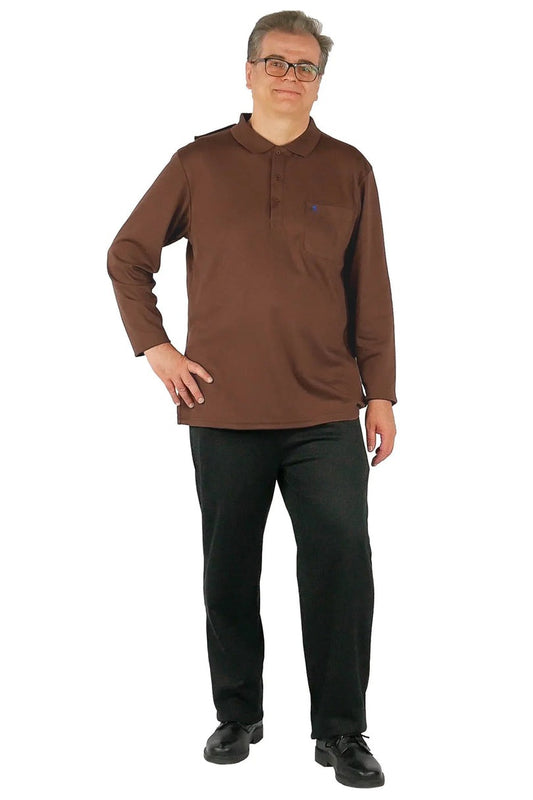
 Choose Balance - Gender Neutral Sweatpants
Tools and software used in accessible packaging development
Accessibility engineering is where creativity meets cutting-edge technology. Modern packaging engineers use an impressive array of digital and physical tools to turn inclusive concepts into manufacturable products.
1. Computer-aided design (CAD) and 3D modeling
CAD platforms such as SolidWorks or Autodesk Fusion allow engineers to create detailed digital prototypes. Through simulation features, they can adjust wall thickness, grip curvature, and closure torque to test how easily a package can be grasped and opened. Virtual modeling reduces waste and shortens iteration cycles, a win for both accessibility and sustainability!
2. Ergonomic analysis software
Programs like Siemens Jack or Dassault's CATIA Human enable engineers to simulate human movement. These tools use digital avatars representing different heights, strengths, and mobility levels. By modeling various interactions, like twisting a cap or pressing a pump, the software can estimate accessibility challenges before production even begins.
3. Haptic and force-feedback measurement tools
Packaging engineers sometimes use specialized sensors to measure opening force, texture feel, or resistance levels. These devices quantify the physical effort needed to use a package, ensuring that designs stay within comfortable thresholds for people with lower dexterity or muscle control.
4. 3D printing and rapid prototyping
Additive manufacturing has revolutionized accessible design development. Engineers can print test packaging overnight, letting focus groups or advisory participants handle prototypes the very next day. Quick iteration means greater responsiveness to feedback, which is absolutely crucial for accessibility.
5. Accessibility evaluation frameworks
Some design teams integrate accessibility scoring systems directly into their workflow. These frameworks assign numeric values to aspects like tactile readability, opening force, and visual contrast. The data helps track progress toward universal design benchmarks.
Together, these tools allow engineers to move beyond assumptions into a data-driven, user-centered design process. One that beautifully blends technology with empathy.
Cost implications and ROI of accessible design
Did you know that when businesses first consider accessibility, they often worry about the potential costs? This cost can be found in training, specialized packaging molds, and extra materials. However, companies committed to inclusive design quickly realize that accessibility isn't a cost center; it's a growth strategy.
Let me break down why accessible design delivers measurable returns:
1. Expanding the customer base
According to the CDC, more than one in four U.S. adults lives with some form of disability. That's an enormous and often underserved market segment. But here's the thing: accessible packaging doesn't just help those with permanent disabilities but also serves older adults, parents managing children one-handed, and anyone temporarily limited by injury. A truly universal product appeals to a much wider audience.
2. Strengthening brand loyalty and trust
Accessibility strongly communicates care. When someone can easily open your skincare product after struggling with countless others, it builds deep emotional loyalty. Word-of-mouth recommendations and social media advocacy often follow, giving your brand an authentic voice among communities that value representation.
3. Reducing redesign and compliance costs
Regulatory standards around packaging accessibility are tightening. By prioritizing accessible design from the beginning, companies avoid expensive retooling down the line. This proactive approach can also protect against legal risks tied to product exclusion.
4. Generating positive PR and partnerships
Inclusive packaging tends to draw media and consumer attention for all the right reasons. Collaborations with disability organizations, veterans' groups, or accessibility nonprofits can open doors to meaningful community engagement and CSR recognition.
5. Innovation spillover benefits
Designing for accessibility often sparks broader innovation. For example, developing a low-resistance pump for users with arthritis may result in a more convenient dispenser for all users. As we've seen in many industries, innovations inspired by accessibility, such as curb cuts or voice-activated technology, eventually benefit the entire population.
In short, the ROI of accessibility is both quantifiable and cultural. It leads to tangible financial gains while reinforcing a company's values and vision.
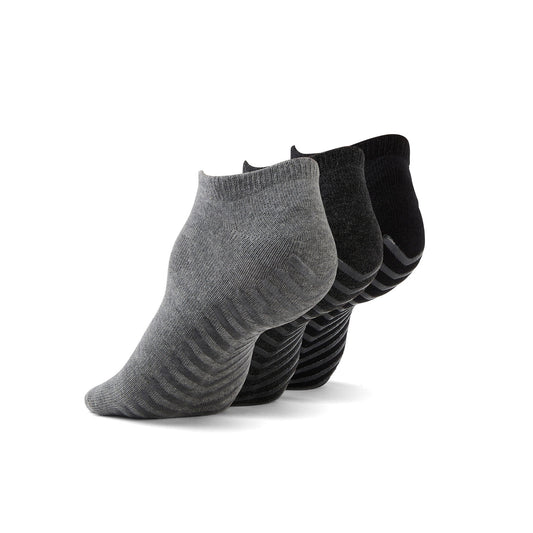
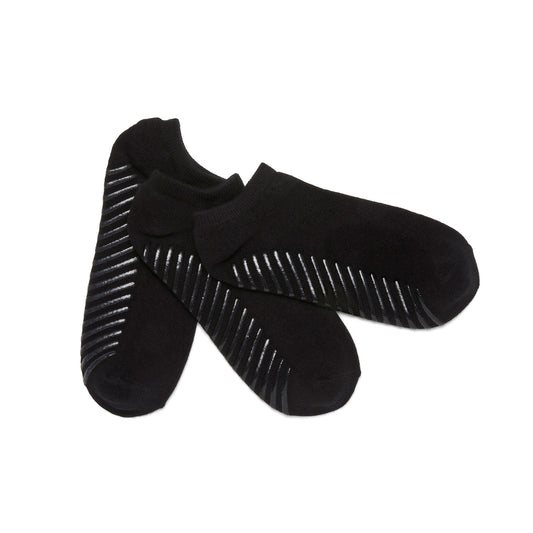
 Kid's Blue Multi Anti-Slip Socks
Career opportunities in accessible product design
The rising demand for accessible products has opened exciting new career opportunities for engineers. Companies from all industries, such as personal care to pharmaceuticals and food packaging, are actively seeking specialists who understand inclusive design principles. Packaging engineers who can apply ergonomic insight, empathy-driven testing, and compliance knowledge are becoming highly sought after.
Emerging career paths include:
-
Accessibility design engineer, focusing on integrating inclusive features across packaging portfolios.
-
Human factors specialist, assessing physical and cognitive user interaction with packaging.
-
Sustainability and accessibility strategist, ensuring that inclusive design aligns with environmental goals such as recyclability and material ethics.
-
Research and usability lead, managing consumer testing panels with diverse participants.
These roles offer engineers the chance to directly impact quality of life. Designing a lotion bottle cap that someone with tremors can open independently isn't just a technical achievement; it's a profoundly human one. And as more companies embrace accessible innovation, the market for skilled engineers will only grow.
I've noticed that younger engineers, in particular, are drawn to roles that connect technical creativity with social purpose. The shift toward inclusive packaging design reflects a larger generational trend: the fusion of career ambition with meaningful impact.
The future of accessibility in skincare and hygiene
As our company transitions from adaptive clothing to skincare and hygiene, we see packaging as the first handshake between product and consumer. An inclusive design isn't just about compliance—it's about confidence. Every pump, cap, and closure communicates a message: this product was made with you in mind.
The next frontier for accessibility will likely include:
-
Smart packaging technologies, such as audio labels or smartphone-scannable product information, for people with low vision.
-
Sustainable accessibility, balancing easy-open designs with eco-friendly materials.
-
Customization through modular design allows users to choose packaging components that match their dexterity or strength.
For our brand, these innovations represent both opportunity and responsibility. As we work with packaging engineers to design skincare that's as accessible as our clothing, we're reaffirming our belief that accessibility isn't a trend but rather a long-term commitment.
Accessible packaging is where empathy meets engineering. It transforms care into independence, demonstrates respect for diversity, and reminds us that good design is always about people first. For packaging engineers, this work goes beyond mechanics. It's about crafting dignity into every detail. For brands like ours, it's the very heart of inclusive innovation.
If you enjoyed this blog, please sign up to the June Adaptive Newsletter below to receive more updates!
Share your experience in our 5-minute survey to inform our new adaptive apparel launch. Get a chance to win a $50 gift card Link here