Written by Samantha Jafar
⏳5 minutes of your time could win you a $50 gift card! 🎉Help us design our new adaptive apparel launch by sharing your experience. 👕 Link Here 👈
Introduction
Packaging design often focuses on branding, shelf impact, and sustainability. Less attention is paid to one of the most important moments in the product experience: opening it. Accessibility in packaging does not always require dramatic redesign. Often, it is the smallest changes that create the biggest impact.

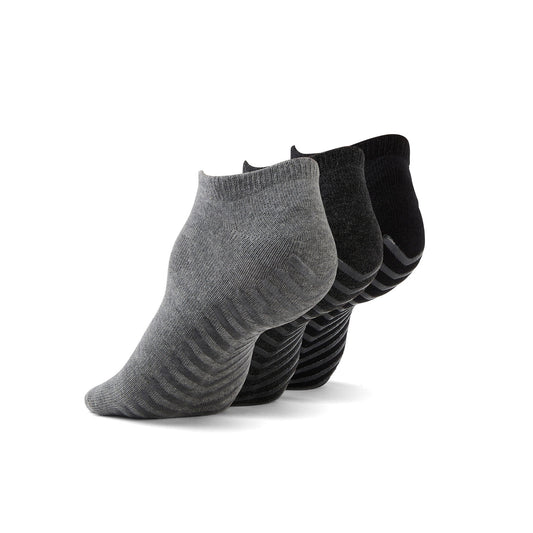
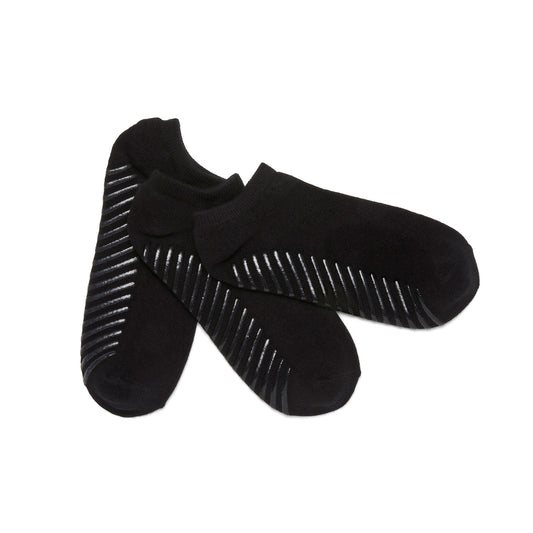
Comfort Crew Anti-Slip Socks (3 pairs)
Oversized tear strips for people with limited grip or vision
Standard tear strips are often thin, tightly sealed, and visually subtle. While this may look sleek, it can be difficult for people with limited grip strength or low vision to locate and grasp them.
Oversized tear strips improve usability by increasing surface area and visibility. Key design considerations include:
-
Wider pull tabs that are easier to pinch or hook with a finger
-
Textured surfaces that prevent slipping
-
High color contrast between the strip and the rest of the package
-
Clear tactile differentiation from surrounding material
For people with arthritis or reduced hand strength, small tabs require more precise finger control and pressure.
An oversized strip allows users to:
-
Grip with multiple fingers instead of just fingertips
-
Use the side of the hand if necessary
-
Apply less force overall
For individuals with low vision, larger tear strips are easier to identify visually. When paired with strong contrast or raised markers, they can also be located by touch.
Designers can further support accessibility by:
-
Avoiding flush, barely raised strips
-
Ensuring the starting edge is slightly lifted
-
Adding subtle ridges or bumps to signal where to pull
These adjustments do not disrupt packaging aesthetics. They simply make the opening mechanism more forgiving and inclusive.
Intuitive opening methods requiring minimal cognitive load
Opening a package should not require a puzzle solving process. Yet many products rely on complex flaps, hidden seals, unclear perforations, or multiple steps without guidance.
For individuals with cognitive disabilities, brain injuries, ADHD, autism, or age related cognitive decline, complicated opening systems increase mental effort and anxiety.
Reducing cognitive load means designing packaging that is self explanatory.
Accessible opening methods often include:
-
A single, clearly marked pull point
-
Straightforward tear direction
-
Minimal steps between sealed and open states
-
Clear visual or tactile arrows indicating motion
Confusion can arise when:
-
Multiple perforations appear similar
-
Pull tabs blend into the background
-
The direction of force is unclear
-
The package requires twisting and pulling in sequence without cues

Kid's Blue Multi Anti-Slip Socks (4 pairs)
Simple design strategies reduce uncertainty:
-
Use consistent placement of tear strips across product lines
-
Include raised arrows or embossed words like “Pull”
-
Provide clear start and end points
-
Avoid unnecessary secondary seals
Intuitive design helps everyone, not just people with disabilities. When the opening method feels obvious and straightforward, users do not have to stop and figure it out. They can rely on instinct instead of instructions. That reduces small moments of stress that add up over time.
This matters even more for products used every day, such as hygiene items, medications, or food packaging. These are not occasional purchases. They are part of daily routines. If opening them feels confusing, stiff, or unpredictable, it can create repeated frustration. Over time, that frustration can affect a person’s sense of independence.
For people with cognitive disabilities, memory challenges, or limited dexterity, intuitive design is not just convenient. It is essential. Clear visual cues, obvious tear points, and simple opening motions reduce mental effort. The product works with the user instead of against them.
When the process feels natural and consistent, people gain confidence. They do not need help. They do not need to guess. Intuitive design turns small interactions into smooth, empowering experiences.
Tactile and auditory feedback improving user confidence
Opening a package is not only a physical action. It is a sensory experience. Tactile and auditory feedback help confirm that the user is performing the action correctly.
For blind or low vision users, tactile feedback can signal:
-
Where to grip
-
When tearing has begun
-
Whether the seal has fully separated
Design features that support tactile clarity include:
-
Raised starting tabs
-
Slight resistance followed by smooth tearing
-
Distinct material changes at the tear line
Think about the last time you opened a bag of chips or a fresh jar—that specific "snap" or "crackle" is basically the product’s way of saying, "Don't worry, you're doing it right." Auditory feedback is like a tiny, built-in guide for our hands. When we hear a clean, sharp tearing sound, it confirms that the material is giving way exactly where it’s supposed to. It’s a satisfying "handshake" between you and the packaging that says the seal is breaking perfectly.
Without that sound, things get a little awkward. Have you ever pulled on a tab and felt nothing but silent, stretchy resistance? Your brain immediately starts second-guessing: Am I pulling too hard? Is this going to explode all over the floor? Did I just break the zipper?
That silence creates a weirdly stressful moment of "sensory void" where you feel like you might be ruining the product instead of opening it. By making sure a seal sounds as good as it looks, designers give us that "aha!" moment of success. It turns a mundane chore into a confident, stress-free interaction, proving that a little bit of noise goes a long way in making a product feel high-quality and reliable.
Effective sensory feedback should be:
-
Predictable
-
Consistent across batches
-
Noticeable but not alarming
For individuals with anxiety or cognitive challenges, predictable feedback builds trust. When packaging behaves the same way every time, users feel more in control.
Designing for tactile and auditory confirmation transforms opening from a guess into a guided experience.

Embrace The Stripes Of Uniqueness - Kids Hoodie
Testing tear strip durability for people with tremors
Tear strips must balance two needs: they must be easy to open, and they must resist accidental damage.
For individuals with tremors, Parkinson’s disease, or motor control conditions, uneven pulling force can cause standard tear strips to:
-
Rip off prematurely
-
Tear at an angle
-
Separate unevenly
-
Fail to open the package fully
If a tear strip detaches before the seal breaks, the user may be left with no clear way to access the product.
Durability testing for accessibility should include participants with varied motor abilities.
This ensures the strip:
-
Withstands inconsistent pulling angles
-
Does not snap under sudden jerks
-
Maintains integrity under partial tension
-
Tears cleanly even with slower, interrupted motion
Engineers can improve reliability by:
-
Reinforcing the base of the strip
-
Using materials with controlled tear propagation
-
Adjusting perforation spacing
-
Testing under real world conditions rather than ideal lab pulls
Accessible durability does not mean making packaging tougher or harder to open. It means designing it so it can handle different movement patterns without failing. Some people may pull quickly, others slowly. Some may apply uneven pressure, shake slightly, or need to reposition their grip. A well designed tear strip should still work under those varied conditions.
For people with tremors, arthritis, limited grip strength, or reduced coordination, small inconsistencies can turn into major barriers. If a tear strip rips off halfway, splits unevenly, or requires precise alignment, the user may need tools or assistance to continue. That can lead to frustration, embarrassment, or even product waste.
Testing durability with a wider range of users helps identify these weak points. Packaging should be strong enough to tear cleanly in one motion, but flexible enough to tolerate imperfect pulls. Reinforced starting tabs, slightly wider strips, and materials that guide the tear path can all make a difference.
When tear strips perform consistently across a broad range of physical abilities, they reduce frustration, protect the product inside, and minimize waste. More importantly, they support independence. Good durability is not about resistance. It is about reliability.
Why these details matter to people with various disabilities
Opening mechanisms may seem like small design choices. In reality, they shape daily experiences.
For people with limited grip strength:
-
Difficult openings can cause pain
-
Extra force may lead to joint strain
-
Repeated struggle discourages product use
For people with low vision:
-
Unclear tear points create uncertainty
-
Hidden tabs reduce independence
-
Inconsistent feedback increases anxiety
For people with cognitive disabilities:
-
Complex opening systems increase mental fatigue
-
Unclear instructions create confusion
-
Multiple steps can feel overwhelming
For people with tremors or motor control challenges:
-
Weak tear strips break prematurely
-
Inconsistent tearing leads to spills
-
Frustration may discourage purchasing that brand again
Accessible opening design communicates respect. It signals that the brand considered diverse bodies and minds during development.
The benefits extend beyond disability communities. Older adults, children, people recovering from injury, and individuals carrying groceries or multitasking also appreciate packaging that opens easily and predictably.
Small details often determine whether a product feels empowering or exhausting. Tear strips and opening mechanisms may not dominate marketing campaigns, but they define usability.
Final Thoughts
Accessibility in packaging is not always about a dramatic redesign. Sometimes it is about widening a pull tab by a few millimeters. Adding a raised arrow. Reinforcing a tear strip so it does not snap under uneven force.
These small decisions can transform the product experience.
Oversized tear strips reduce strain. Intuitive opening methods lower cognitive load. Tactile and auditory feedback build confidence. Durability testing ensures reliability across diverse motor patterns.
Together, these elements create packaging that feels thoughtful and inclusive.
When brands invest in better opening mechanisms, they are not just improving functionality. They are supporting independence, dignity, and ease in everyday life.
True accessibility is often found in the smallest details.
If you enjoyed this blog, please sign up to the June Adaptive Newsletter below to receive more updates.
⏳5 minutes of your time could win you a $50 gift card! 🎉Help us design our new adaptive apparel launch by sharing your experience. 👕 Link Here 👈