Written by: Fatima Faruq
Understanding Adaptive Clothing Design: How Everyday Features Support Independent Living
Independent living is often built around small moments that make the day feel easier. Getting dressed without frustration, moving through a morning routine more comfortably, or needing less help with everyday tasks can make a huge difference in someone’s confidence and energy. Adaptive clothing is designed to support those moments by making dressing simpler, safer, and more comfortable.
Instead of forcing the body to work around traditional clothing, adaptive apparel works with the way people naturally move. Features like side openings, elastic waists, softer fabrics, and easy closures can reduce strain, save time, and help people maintain more independence in their daily routines. In this guide, we’ll explore how adaptive clothing supports independent living and highlight a few June Adaptive favorites designed to make everyday dressing easier.
Reducing Caregiver Assistance Through Thoughtful Design
Traditional clothing is not always designed with mobility, pain, balance, or dexterity challenges in mind. Simple tasks like buttoning pants, pulling clothing overhead, or balancing while getting dressed can become exhausting and frustrating over time.
Adaptive clothing helps reduce those challenges by simplifying the dressing process. Features like side zippers, back-overlap openings, and pull-on waistbands make it easier to get dressed while seated and reduce the need for complicated movements. These small design adjustments can help lower the amount of physical assistance someone may need from a caregiver while also making the experience feel more comfortable and private.
For many people living with arthritis, Parkinson’s disease, stroke recovery, chronic pain, or fatigue-related conditions, adaptive clothing can help make everyday routines feel more manageable and less stressful.
Small Design Changes Can Make a Big Difference
Adaptive clothing is built around comfort, accessibility, and ease of movement. Even small changes in design can completely change how someone experiences getting dressed each day.
Shorter Reach and Easier Movement
Side openings and back-overlap designs help reduce twisting, bending, and balancing. Instead of struggling with difficult movements, dressing becomes a calmer and more natural process that can often be done while seated.
Less Stress on Hands and Fingers
Elastic waistbands, larger zipper pulls, and easy closures remove the need for small, precise movements that can be difficult for people with tremors, arthritis, or reduced grip strength.
More Comfort Throughout the Day
Soft fabrics, smooth waistbands, and covered seams help reduce irritation during long periods of sitting or movement. These details can make clothing feel more comfortable from morning to night.
Better Stability Around the Home
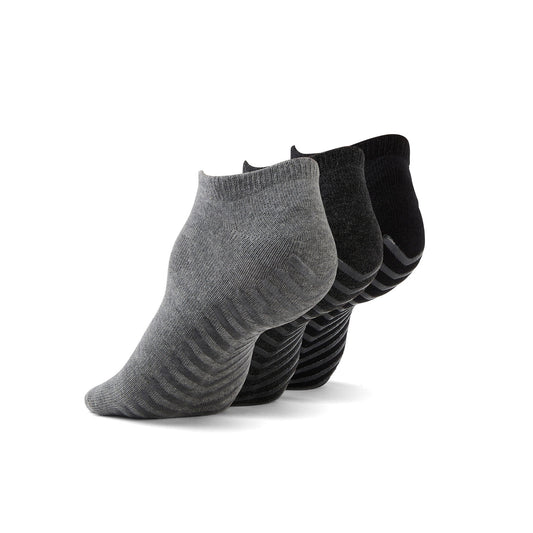
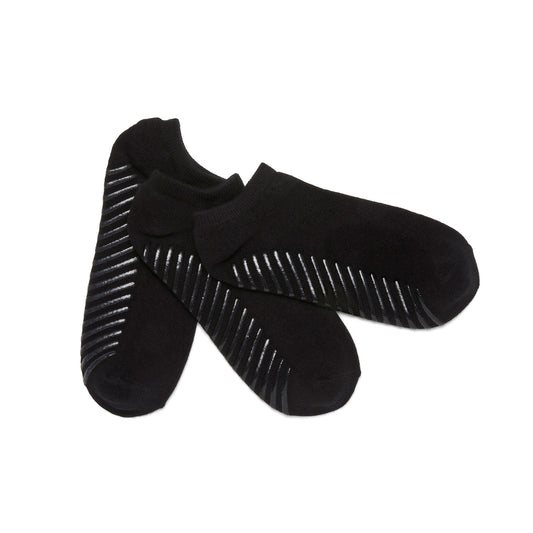
Non-slip socks and supportive footwear can also help improve confidence on slippery floors like tile or hardwood, especially during early mornings or nighttime routines.
Footwear and Outerwear Matter Too
Getting dressed doesn’t stop at pants and tops. Shoes, jackets, and outerwear can also become difficult when balance, mobility, or dexterity are involved.
Traditional shoelaces and narrow shoe openings often require bending, balancing, and two-handed coordination. Adaptive footwear with wider openings or easier closures can make putting on shoes feel faster and more stable.
Outerwear can also become easier to manage with larger zipper pulls and simplified fasteners that are easier to grip, especially during colder months when hands may feel stiff or sensitive.
These changes may seem small, but they can help make daily routines feel smoother and less exhausting.
Three June Adaptive Favorites That Make Dressing Easier
Men’s Side Zipper Pants
Men’s Side Zipper Pants are designed to make seated dressing easier and more comfortable. The side opening creates a shorter and more accessible dressing path, reducing the need for bending, balancing, or complicated movements. They can be especially helpful during recovery periods or on low-energy days when conserving effort matters most.

Women’s Knit Pants with Back Overlap
Women’s Knit Pants with Back Overlap offer a soft and comfortable fit while making dressing easier for both independent wearers and caregivers. The wider opening helps reduce strain and allows for smoother dressing without unnecessary twisting or lifting.

Women’s Knit Pants with Back Overlap
Men’s Cotton Pants with Elastic Waist
Men’s Cotton Pants with Elastic Waist simplify the morning routine by removing buttons, tight closures, and stiff hardware. The pull-on design feels comfortable, adapts to natural body changes throughout the day, and helps reduce frustration during dressing.

Men’s Cotton Pants with Elastic Waist