Rare Beauty's Accessibility Mission: How Selena Gomez Built an Inclusive Beauty Brand

Rare Beauty's Accessibility Mission: How Selena Gomez Built an Inclusive Beauty Brand

Written by: Fatima Faruq

Understanding Inclusive Beauty Design: How Accessibility Features Support Everyday Independence

Inclusive beauty is about more than shade ranges and product trends. It is also about whether someone can comfortably open a product, hold an applicator steadily, or complete a routine without frustration on days when energy, grip strength, or mobility feel limited.

Rare Beauty, founded by Selena Gomez, has helped bring more attention to accessibility in beauty by designing products that are easier to use for people living with dexterity and mobility challenges. Inspired by Gomez’s experience with lupus, the brand focuses on thoughtful details that make everyday routines feel simpler and more manageable.

The same ideas that improve accessibility in beauty can also improve accessibility in clothing. Adaptive apparel uses thoughtful design to reduce strain, simplify dressing, and support greater independence throughout the day. In this guide, we explore how inclusive design principles connect beauty and fashion while highlighting adaptive clothing pieces designed to make everyday routines easier and more comfortable.


Why Inclusive Design Matters in Everyday Life

Many everyday routines are built around products that assume people have full mobility, steady grip strength, and unlimited energy. But for individuals living with chronic pain, fatigue, dexterity challenges, or mobility limitations, even small tasks can feel frustrating on difficult days.

Something as simple as getting dressed, fastening a closure, or reaching overhead may require more effort than most people realize. Inclusive design helps reduce those barriers by creating products that work more naturally with the body instead of against it.

In beauty, this can look like products that are easier to hold or open. In adaptive fashion, it often means clothing designed to reduce strain, simplify movement, and make dressing feel more manageable throughout the day.


Accessibility and Style Can Work Together

Accessible products should not feel clinical or separate from everyday life. One of the reasons inclusive beauty brands have connected with so many people is because they combine functionality with modern, stylish design.

Adaptive fashion follows the same idea. Clothing can support accessibility needs while still feeling polished, comfortable, and versatile enough for everyday wear.

Pieces like the Women’s Notched Top with Back Overlap show how adaptive design can simplify dressing without sacrificing personal style. Thoughtful details help make movement easier while still maintaining a look that feels modern and wearable.

Inclusive design works best when accessibility feels natural instead of overwhelming.


Small Design Features Can Have a Big Impact

The most helpful accessibility features are often the simplest ones. Small changes in how a product is designed can completely change how comfortable and manageable a routine feels.

Adaptive clothing may include features like:

  • open-back designs
  • easier closures
  • softer fabrics
  • reduced shoulder movement
  • seated dressing support

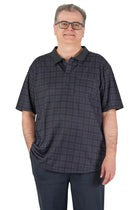
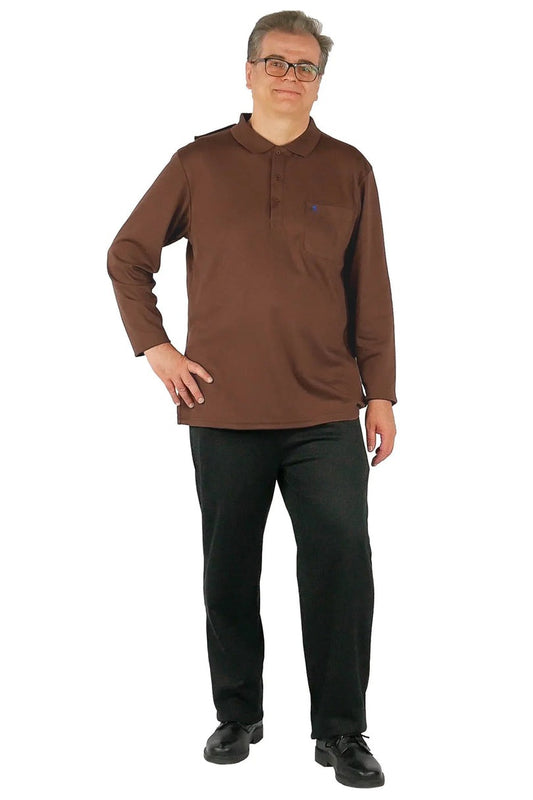
These details help reduce unnecessary strain while making everyday dressing feel calmer and more supportive. The Men’s Open Back Zip Polo Shirt is designed to support easier dressing by reducing difficult overhead movement while still maintaining a polished everyday appearance.

When clothing works with the body instead of against it, routines can feel significantly less stressful.


Designing for Real-Life Challenges

Accessibility matters most during the moments when people are tired, recovering, or dealing with pain and fatigue. Tasks that once felt simple can suddenly require extra effort and concentration.

Adaptive products help reduce that pressure by simplifying movement and making routines feel more comfortable and manageable.

The Women’s Polo Dress with Open Back is designed to support easier dressing with an adaptive open-back design that helps reduce strain while still feeling stylish and versatile for everyday wear.

Thoughtful design choices may seem small individually, but together they can make a meaningful difference in daily life.


Accessibility Also Supports Confidence and Independence

Accessible design is about more than convenience. It can also help people feel more confident, independent, and comfortable in their daily routines.

When dressing requires less physical effort, people are often able to move through their day with less frustration and more confidence. Small improvements in comfort and accessibility can help make routines feel smoother, especially during periods of fatigue, recovery, or limited mobility.

Inclusive fashion focuses on helping people maintain both comfort and personal style while reducing the physical stress that traditional clothing can sometimes create.


What Beauty and Adaptive Fashion Have in Common

Beauty and fashion brands are increasingly recognizing that accessibility should be part of the design process from the beginning rather than added later as an afterthought.

The same principles that improve beauty products can also improve clothing:

  • reducing effort
  • simplifying movement
  • improving comfort
  • supporting easier grip and motion
  • making routines feel less physically demanding

Adaptive fashion is built around these ideas by creating clothing that feels supportive, practical, and easier to wear in everyday life.

When products are designed around real human experiences, everyday routines become more comfortable, accessible, and empowering.


Top June Adaptive Picks Inspired by Inclusive Design

Inclusive design is not only changing beauty products, it is also reshaping the way adaptive fashion supports comfort, confidence, and everyday independence. Thoughtful clothing features can help reduce strain, simplify dressing routines, and make daily movement feel more manageable.

Some June Adaptive favorites that reflect these accessibility-focused design principles include: 

Men’s Open Back Zip Polo Shirt

Women’s Notched Top with Back Overlap

Women’s Polo Dress with Open Back


Inclusive design is helping reshape how brands approach beauty, fashion, and everyday comfort. Thoughtful accessibility features can make routines feel easier, reduce physical strain, and support greater confidence throughout the day.

Adaptive fashion continues that same mission by creating clothing that works more naturally with real-life movement, comfort needs, and daily routines. Through thoughtful details and supportive design, inclusive products help make everyday living feel more manageable, comfortable, and empowering.

» Next: Body Care for People with Limited Sensory Processing: Navigating Texture and Temperature

« Previous: The Everyday Impact of Adaptive Clothing on Independent Living

Leave a comment

Please note, comments need to be approved before they are published.