Tilt Beauty's Magnetic Closure and Easy-Tear Design: Engineering for Accessibility
⏳5 minutes of your time could win you a $50 gift card! 🎉Help us design our new adaptive apparel launch by sharing your experience. 👕 Link Here 👈
Accessible beauty is not only about what is inside the product. It is also about whether someone can open it, hold it, apply it, store it, refill it, and enjoy it without unnecessary frustration. Tilt Beauty has gained attention for designing makeup around real hands, real mobility needs, and real daily routines. Its magnetic closures, oversized grips, easy-open tear strips, and sensitive-skin-safe formulas show how beauty packaging can be engineered for both function and joy.
At June Adaptive, this type of innovation feels closely connected to our own mission. Whether someone is getting dressed, opening a product, or completing a personal care routine, design should support independence, comfort, and confidence.
Magnetic closure mechanics and durability
Magnetic closures may seem like a small beauty packaging detail, but from an accessibility perspective, they can completely change the user experience. Traditional caps often require twisting, pinching, pulling, or aligning tiny pieces with precision. For people with arthritis, chronic pain, tremors, limited grip strength, or reduced hand coordination, those motions can be difficult or painful.
Tilt Beauty’s product design focuses on makeup that is easy to open, hold, and apply. The brand says its patented packaging is the first beauty packaging to receive the Arthritis Foundation’s Ease of Use certification, and its products are designed with features that support people with chronic pain, limited dexterity, and everyday grip challenges.
A magnetic closure helps because it reduces the amount of exact force and alignment required from the user. Instead of needing to twist a cap until it locks, the closure can guide itself into place. This is especially helpful when someone is using one hand, has reduced finger strength, or cannot comfortably perform repeated twisting motions.
From an engineering standpoint, magnetic closure design has to balance two competing needs. The closure must be strong enough to keep the product secure in a bag, drawer, or travel case, but gentle enough that the user can open it without strain. Packaging World reported that Tilt’s magnetic cap was engineered with a calibrated pull force so it could help prevent accidental opening while still being easier to remove without significant twisting or hand strain.
That balance matters. If the magnet is too weak, the product may open accidentally. If it is too strong, the accessibility benefit disappears. Good accessible engineering lives in that middle ground, where the product is secure but still manageable.
Magnetic closures can support users by:
-
Reducing twist force: This helps people who experience pain or stiffness in their fingers, wrists, or hands.
-
Improving alignment: The magnetic pull can help guide the cap into place, which reduces the need for perfect visual or motor precision.
-
Creating a smoother routine: Less struggle at the opening and closing stage can make the entire beauty experience feel calmer and more enjoyable.
This type of design is a reminder that accessibility is not always loud or obvious. Sometimes it is a closure that clicks into place without a fight.
Oversized tear strips reducing force requirements
Outer packaging is often overlooked in beauty design. Brands may focus heavily on the product itself, then wrap it in a carton or sleeve that is hard to open, difficult to grip, or nearly impossible to tear neatly. That can create a barrier before the customer even reaches the product.
Tilt Beauty’s packaging has been described as featuring easy-open tear strips and Braille on the box, with attention to users who may have low vision or limited dexterity. Sources also highlighted Tilt’s Grip Stick as a 2025 Best Invention, noting its oversized elastomer grip, magnetic closure, and patented easy-open tear strip designed to support one-handed use or limited grip strength.
Oversized tear strips matter because they reduce the amount of precision and pinch strength required to open packaging. A tiny perforated tab can be frustrating for anyone, but it can be especially difficult for someone with arthritis, tremors, low vision, long nails, nerve pain, or limited hand mobility.
A larger tear strip gives the user more surface area to hold. More surface area usually means less pressure is needed from the fingertips. It also makes the motion easier to find, easier to start, and easier to complete.
Think about the difference between pulling a tiny thread and pulling a wide ribbon. The wide ribbon gives your hand more control. It is easier to locate, easier to grasp, and less likely to slip away. That is the basic accessibility logic behind oversized tear features.
This is also where beauty packaging starts to overlap with adaptive fashion. At June Adaptive, we often think about how small physical barriers affect everyday independence. A difficult button, a stiff zipper, or a poorly placed closure can make dressing harder than it needs to be. In beauty, a hard-to-open carton or cap can create the same kind of unnecessary barrier.
The best packaging does not make the user prove they can access the product. It welcomes them in.
Protective yet user-friendly packaging
Accessible packaging still needs to protect the product. Makeup has to survive shipping, storage, bathroom humidity, handbags, travel, and repeated use. The goal is not to make packaging flimsy. The goal is to make it protective without making it frustrating.
This balance is one of the biggest challenges in accessible CPG design. A package that is too loose may leak, break, dry out, or open accidentally. A package that is too secure may require too much force to open. Accessible engineering asks a better question: how can we protect the product while respecting the user’s body?
Tilt’s approach shows how packaging can support both protection and usability. The brand uses refillable packaging, easy-open components, and grip-focused product shapes. It also uses the Braille Institute’s Atkinson Hyperlegible font to support readability for people with low vision.
Protective yet user-friendly packaging may include:
-
Secure closures that do not require excessive force: Magnetic closures can help the product stay closed while reducing twisting strain.
-
Refillable components that are easier to handle: Refill systems can support sustainability, but they need to be designed so the refill process itself is not difficult.
-
Readable and tactile communication: Fonts, Braille, raised symbols, and strong contrast can help users identify and use products more independently.
Good packaging should consider the full product journey. That includes unboxing, first use, daily use, storage, refilling, recycling, and travel. If one part of that journey is inaccessible, the whole experience suffers.
This is especially important for people who already manage pain, fatigue, vision differences, mobility limitations, or sensory sensitivities. A beauty product should not turn into a puzzle before it can be enjoyed.
Sensitive skin formula development at Tilt
Accessibility in beauty is not only about packaging. It is also about formula comfort. A product can be easy to open and hold, but if it stings, burns, flakes, or irritates sensitive skin, it still does not fully serve the user.
Tilt Beauty states that its formulas are vegan, dermatologist and ophthalmologist-approved, safe for sensitive skin and eyes, free from synthetic fragrance, and backed by the National Psoriasis Foundation Seal of Recognition. The brand also says its formulas avoid synthetic fragrance, known irritants, and many ingredients that do not meet its safety standards.
That matters because sensitive skin and accessibility often overlap. Many people with chronic conditions, autoimmune conditions, eczema, psoriasis, allergies, or medication-related skin changes may need products that are both physically easy to use and gentle on the skin.
For makeup, formula development has to consider several comfort factors:
-
Eye sensitivity: Mascara and eye products should be designed with irritation risk in mind, especially for people who wear contacts or have sensitive eyes.
-
Fragrance sensitivity: Synthetic fragrance and strong fragrance components can be common triggers for people with reactive skin.
-
Texture and glide: A product that drags across the skin may be uncomfortable and harder to apply for people with limited control or reduced pressure tolerance.
-
Buildability: Formulas that allow gradual application can help users avoid mistakes and reduce the need for aggressive blending or removal.
Tilt’s sensitive-skin positioning is important because accessible packaging and gentle formulas work best together. If the grip is easy but the formula is irritating, the product falls short. If the formula is beautiful but the packaging is impossible to open, the product also falls short.
Inclusive beauty needs both.
At June Adaptive, we see this same idea in clothing. Adaptive design is not only about adding a closure or changing a seam. Fabric softness, ease of dressing, seated comfort, stretch, sensory feel, and personal style all matter. Accessibility is strongest when every part of the product works together.
Testing protocols ensuring real-world functionality
One of the most meaningful parts of Tilt Beauty’s accessibility story is certification and testing. Accessibility claims are easy to make, but they become much stronger when they are supported by external review, user testing, and measurable usability criteria.
Tilt says it has received the Arthritis Foundation’s Ease of Use certification, which is designed to recognize products that are easier to use for people with arthritis and chronic pain. Packaging World reported that Tilt’s design earned certification following laboratory and human factors evaluation, and that the brand’s packaging was built around grip, torque, and control considerations.
This is important because real-world functionality cannot be guessed from a design sketch. A product may look ergonomic on a mood board, but the true test is whether people can actually use it comfortably.
Testing protocols for accessible beauty should consider:
-
Grip strength: Can someone open and close the product without painful force?
-
Torque requirements: Does the product require twisting motions that may be difficult for people with arthritis or limited mobility?
-
One-handed use: Can the product be opened, held, or applied with one hand?
-
Visual accessibility: Can the product and instructions be read or identified by people with low vision?
-
Application control: Can the product be applied with enough precision for people with tremors or dexterity challenges?
-
Durability: Does the product still work after repeated opening, closing, dropping, storing, and refilling?
Testing should also include real environments. A product might perform well in a clean lab, but what about a humid bathroom, a crowded vanity, a wheelchair tray, a hospital room, a dorm bathroom, or a low-light bedroom? What about hands that are tired, wet, shaky, or sore?
Accessible design has to survive real life.
This is why testing with people who experience actual barriers is so important. Designers, engineers, marketers, and product teams can identify some issues, but lived experience reveals details that a traditional product test may miss.
Why Tilt’s design approach matters beyond beauty
Tilt Beauty’s magnetic closures and easy-tear design are beauty innovations, but the lessons go far beyond makeup. These same accessibility principles can apply to skincare, haircare, deodorant, supplements, household products, food packaging, medication containers, and adaptive apparel.
A magnetic closure can inspire easier packaging for creams, balms, and wellness products. Oversized tear strips can make cartons and refill packs easier to open. Hyperlegible fonts can improve product readability. Certification-based design can push brands to prove accessibility instead of simply claiming it.
This kind of thinking is especially important in consumer packaged goods because these products are used repeatedly. A small frustration repeated every morning becomes a real barrier. A cap that hurts once may be annoying. A cap that hurts every day becomes a reason to stop using the product.
Accessible CPG design should ask:
-
Who might struggle to open this?
-
Who might struggle to grip this?
-
Who might struggle to read this?
-
Who might struggle to use this when tired, seated, in pain, or using one hand?
-
Who has been included in our testing process?
These questions should not be treated as special considerations. They should be standard product development questions.
That is the future June Adaptive believes in. Accessibility should not be a separate category hidden away from mainstream design. It should be part of how all products are created.
Take a look at some of our wonderful products that ensure that comfort and accessibility is possible.

Women’s Side-Opening Easy Dressing Elastic Waist Pants


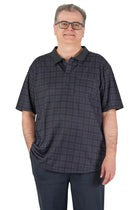
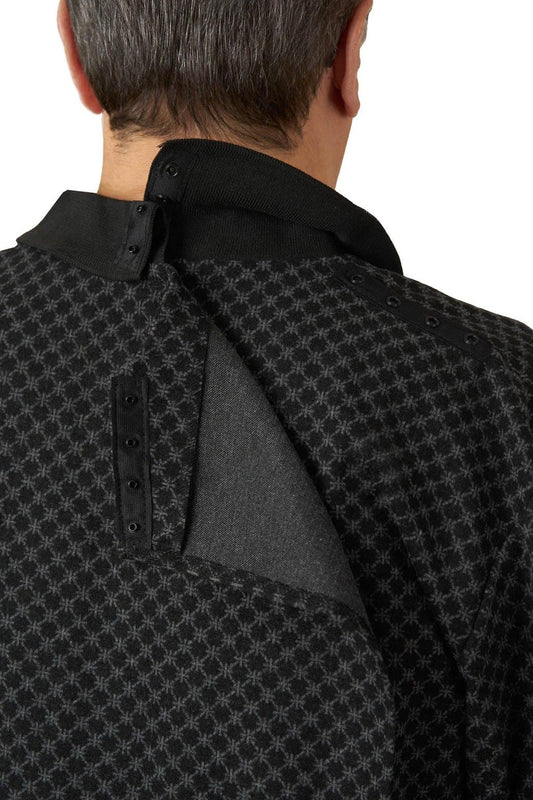
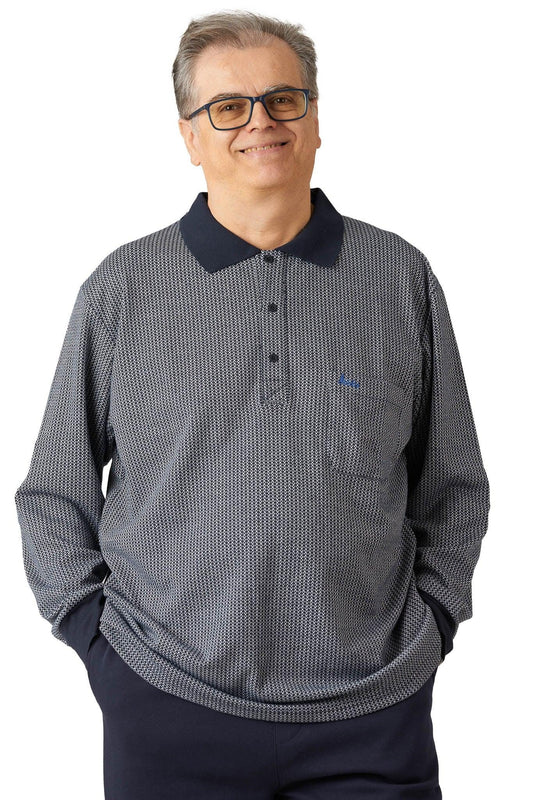
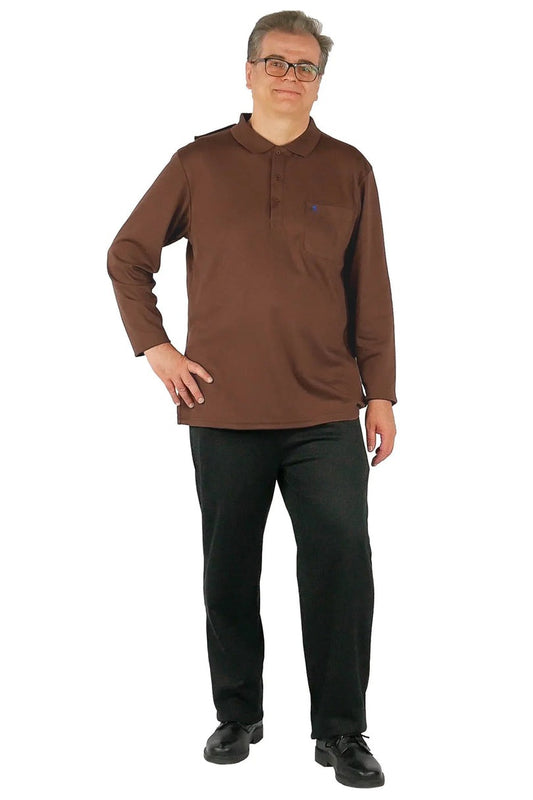
Men’s Adaptive Back-Opening Bamboo Sport Shirt
Final thoughts
Tilt Beauty’s magnetic closures, oversized tear strips, sensitive-skin-safe formulas, and certified ease-of-use packaging show what happens when accessibility is treated as a design foundation rather than a last-minute feature.
The result is not only a product that works better for people with arthritis, chronic pain, tremors, low vision, limited dexterity, or sensitive skin. It is a product that can feel easier and more enjoyable for everyone.
That is the power of inclusive design. It solves specific barriers while improving the everyday experience for a broader audience.
At June Adaptive, we believe this same philosophy belongs everywhere. In clothing. In beauty. In skincare. In packaging. In every routine people rely on to feel comfortable, confident, and independent.
Accessible design is not about doing less. It is about designing better.
If you enjoyed this blog, please sign up to the June Adaptive Newsletter below to receive more updates! Share your experience in our 5-minute survey to inform our new adaptive apparel launch. Get a chance to win a $50 gift card Link here .