Rare Beauty's Doe-Shaped Applicators and Spherical Tops: Design Innovation Breakdown
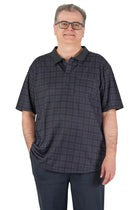
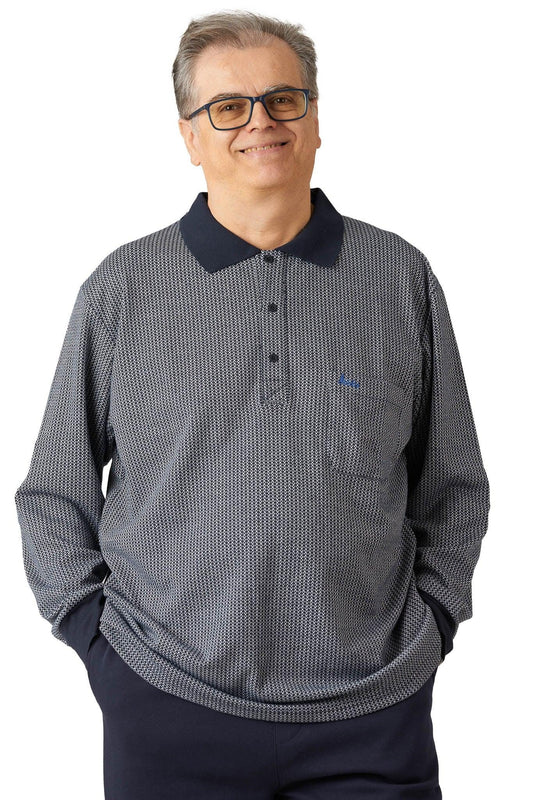
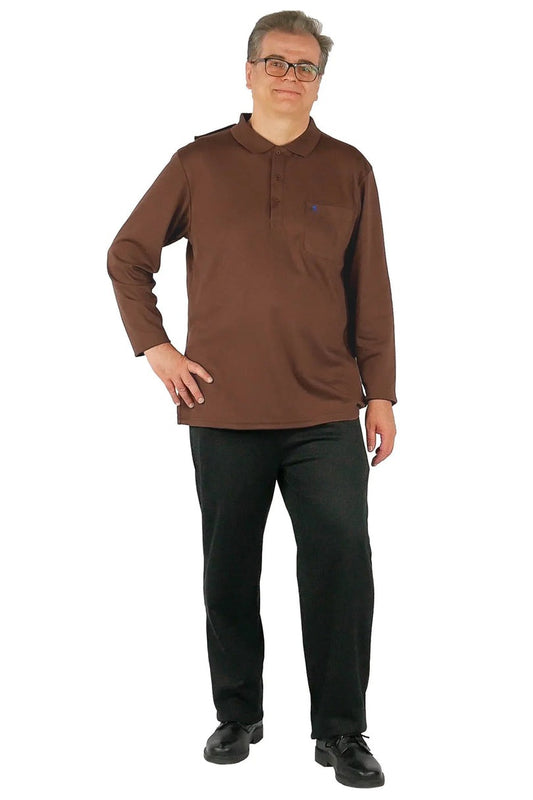
⏳5 minutes of your time could win you a $50 gift card! 🎉Help us design our new adaptive apparel launch by sharing your experience. 👕 Link Here 👈
Great design is often most powerful when it feels effortless. You pick up a product, open it, use it, and move on with your day without thinking too much about the small choices that made that possible. Rare Beauty has become a standout example of how beauty packaging can feel stylish while also being more accessible. Its doe-shaped applicators, rounded tops, soft-touch finishes, and grip-friendly forms show how thoughtful design can reduce frustration and make daily routines more inclusive.
At June Adaptive, this kind of innovation feels deeply connected to what we believe in. Whether it is adaptive clothing, accessible beauty, or everyday consumer products, design should work with the body, not against it.
Engineer perspective on intentional design features
From an engineering perspective, accessible packaging is not just about appearance. It is about forces, angles, grip points, surface friction, stability, weight distribution, and how a person’s hand interacts with an object.
Rare Beauty’s Made Accessible Initiative identifies three key priorities: packaging that is easy to use, packaging finishes that allow for a secure grip, and applicators that are comfortable to hold and maneuver with precision. The brand has also partnered with Casa Colina Research Institute to better understand what makes beauty products more accessible and to share those insights with the wider beauty industry.
That matters because beauty packaging is full of tiny physical tasks. Twisting a cap. Pulling out a wand. Holding a tube steady. Controlling pressure. Applying product near the eye, cheek, or lip. For someone with arthritis, tremors, reduced grip strength, limited vision, fatigue, or fine motor challenges, those tasks can be frustrating or even impossible.
Rare Beauty’s rounded and spherical tops are a strong example of intentional design. They create a larger contact area than a tiny cap, making the product easier to grasp. A larger top can also reduce the need for pinching force, which is helpful for people who experience hand pain or stiffness.
The doe-shaped applicator also matters. A doe-foot applicator is not new to the beauty industry, but its shape can support more controlled application because it holds product and distributes it across the skin with a soft, angled surface. For liquid blush, concealer, or lip products, this can make the application process feel more forgiving.
From a design standpoint, these features are not random. They help solve practical problems:
-
How does the user grip the product?
-
How much force is needed to open or control it?
-
Does the shape help guide the hand?
-
Does the product stay stable when placed down?
-
Can the applicator support precision without demanding perfect steadiness?
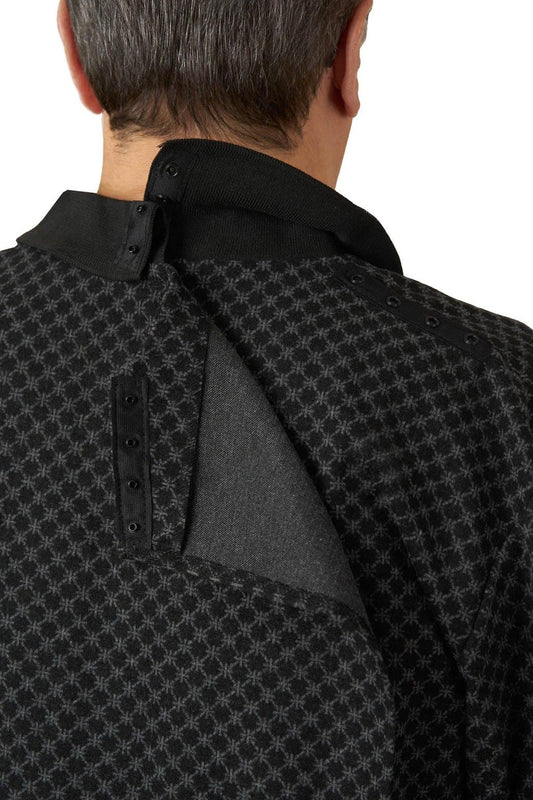
This is where beauty packaging starts to look a lot like adaptive fashion. A magnetic closure, side zipper, open-back design, or seated-fit pant may look simple, but each feature solves a real physical challenge. Rare Beauty’s packaging works in a similar way. The best design does not shout, “I am accessible.” It simply makes the experience easier.
Preventing rolling, reducing frustration and accidents
Anyone who has dropped a mascara wand, watched a lip gloss roll off the counter, or chased a product across the bathroom floor knows that packaging stability matters. For many people, that moment is annoying. For someone with limited mobility, chronic pain, fatigue, or balance challenges, it can be more than annoying. It can mean needing help, risking a fall, or losing access to the product altogether.
Rounded tops can be beautiful, but shape design has to balance comfort with stability. A fully round object may feel nice in the hand, but it can also roll easily. Smart packaging design considers both the hand and the surface. Products need to feel comfortable when held, but they also need to behave predictably when placed on a vanity, sink, desk, or bedside table.
Rare Beauty’s packaging is often praised because it feels easy to hold while maintaining a clean, elevated look. The brand’s accessibility focus is especially meaningful because Selena Gomez has spoken about how arthritis connected to lupus affected her dexterity and influenced Rare Beauty’s product packaging choices.
Reducing rolling and accidental drops is an underrated part of accessible product design. When a product stays where it is placed, the user has more control over the routine.
This matters in everyday moments:
-
On a bathroom counter: A product that does not easily roll away is easier to locate and reuse.
-
During seated routines: Someone applying makeup from a wheelchair, bed, or chair may not be able to bend down quickly if a product falls.
-
For users with tremors: A more stable object can reduce the stress of setting a product down between steps.
-
For low-vision users: Predictable placement makes products easier to find by touch.
This kind of design reduces cognitive load too. When a product is easier to hold, easier to place down, and less likely to roll away, the user spends less energy managing the packaging and more time enjoying the routine.
At June Adaptive, we see this same principle in clothing. A pocket placed within seated reach, a closure that does not require awkward twisting, or fabric that stays comfortable throughout the day may seem small, but these details can change the whole experience. Accessibility is often built in the details.
Easy grip without excessive pressure requirements
Grip is one of the most important parts of accessible beauty design. Many traditional beauty products are slim, glossy, slippery, or tiny. They may look sleek on a shelf, but they can be difficult to use when hands are wet, weak, painful, shaky, or tired.
Rare Beauty’s accessibility approach includes finishes that allow for a secure grip and applicators that are comfortable to hold and maneuver. That is a major design consideration because grip is not only about size. It is about texture, shape, surface resistance, and how much force the hand needs to apply.
A product that requires excessive pressure can create barriers for people with:
-
Arthritis or joint pain
-
Muscle weakness
-
Tremors
-
Limited dexterity
-
Nerve damage
-
Fatigue
-
Recovery from injury or surgery
A larger cap or rounded top can help because it gives the fingers more surface area to hold. Instead of forcing the user to pinch a tiny cap with precision, the design allows for a more relaxed grip. This can reduce strain on the fingers and wrist.
Soft-touch or matte finishes can also help reduce slipping compared with very glossy surfaces. A slippery product requires more force to control, which can be especially difficult if someone has pain or reduced hand strength.
This is where the engineering logic becomes simple: if the product is easier to hold, the user does not have to compensate as much. Less compensation means less strain, less frustration, and often better control.
For inclusive product design, that is a win.
A grip-friendly product does not only help people with diagnosed conditions. It also helps someone applying makeup in a rush, someone with lotion on their hands, someone holding a phone in one hand, someone aging into reduced dexterity, or someone getting ready after a long day. Accessibility often improves the experience for everyone.
Precise application for people with tremors or vision challenges
Makeup application often requires precision. A little blush can brighten the face. Too much blush can turn into a panic-blending session. Concealer needs to land where it is needed. Lip products are easier when the applicator supports control. Eye products can be especially challenging because they involve small movements near a sensitive area.
For people with tremors, vision challenges, or limited fine motor control, applicator design can make a major difference. Rare Beauty specifically highlights applicators that are comfortable to hold and maneuver with precision as part of its accessibility approach.
Doe-shaped applicators can support precision in a few ways. Their angled, cushioned shape can help place product with more control than a hard or overly thin applicator. The soft tip can also make application feel less harsh, which may be helpful for users who need a gentler touch.
A good applicator should help the user, not demand perfection from them.
For people with tremors, this can mean:
-
A larger grip area: Easier to stabilize than a very thin handle.
-
A soft applicator tip: More forgiving if the hand moves slightly.
-
Controlled product pickup: Reduces the chance of applying too much at once.
-
Predictable shape: Helps the user learn the motion over time.
For people with low vision, product design can also support routine memory. If a product has a distinct shape or top, it may be easier to identify by touch. This is not the same as Braille or tactile labeling, but it can still help users distinguish one product from another.
Precision is not only about perfect makeup. It is about independence. When packaging and applicators are designed thoughtfully, more people can complete personal care routines with less assistance and more confidence.
That is a powerful thing.
Why these features matter across all user demographics
One of the biggest misconceptions about accessible design is that it only serves a small group of people. In reality, accessibility features often benefit nearly everyone at some point.
A product that is easier to grip helps someone with arthritis, but it also helps someone with wet hands. A cap that is easier to open helps someone with limited dexterity, but it also helps someone rushing in the morning. A more stable product helps someone using makeup from a seated position, but it also helps anyone with a crowded bathroom counter.
This is known as inclusive design: solve for specific access needs, and the result often improves the experience for a much wider group.
Rare Beauty’s packaging has helped show that accessible beauty does not have to look clinical or separate. It can be soft, modern, desirable, and mainstream. That is important because people with disabilities should not have to choose between function and beauty.
The same is true in adaptive fashion. Clothing designed for accessibility should still feel stylish, expressive, and personal. At June Adaptive, we believe adaptive clothing should not feel like a compromise. It should feel like clothing that finally considered the wearer properly.
Rare Beauty’s design choices point to a broader standard that all consumer products can learn from:
-
Design for real hands, not idealized hands.
-
Test products with people who experience real barriers.
-
Make accessibility beautiful, not hidden.
-
Treat ease of use as part of product quality.
-
Remember that independence is emotional, not just functional.
This last point matters most. When someone can open, hold, and apply a product comfortably, the benefit is not only physical. It can affect confidence, privacy, mood, and dignity.
A makeup product is never just a container and a formula. It is part of someone’s morning, their date night, their workday, their recovery period, their identity, or their self-expression.
What other CPG brands can learn from Rare Beauty
Rare Beauty’s packaging innovations are relevant far beyond makeup. The same principles apply to skincare, hair care, household products, food packaging, wellness products, and adaptive apparel.
A lotion bottle with an easy pump, a shampoo bottle with tactile markings, a jar with a wide-grip lid, or a cleanser tube with a flip cap can all reduce barriers. These features may seem small in a boardroom, but they are deeply practical in a bathroom, hospital room, dorm, apartment, or care setting.
Consumer packaged goods brands should ask more accessible design questions early in product development:
-
Can this be opened with one hand?
-
Can this be held without strong grip pressure?
-
Can this be used by someone with tremors?
-
Can this be identified without relying only on small text?
-
Can this be used while seated?
-
Can this be used on a low-energy day?
These questions should not come at the end of the design process. They should be part of the first product brief. Accessibility is easiest to build when it is treated as a core requirement, not an afterthought.
Rare Beauty’s partnership with Casa Colina Research Institute also points to the importance of evidence. Brands should not simply assume what disabled users need. They should research, test, listen, and adapt.
At June Adaptive, this is central to inclusive innovation. The best products come from understanding real routines. How does someone dress after surgery? How does someone put on pants while seated? How does someone manage limited shoulder mobility? How does someone want to feel while wearing the product?
Beauty brands should be asking similar questions about application, grip, visibility, texture, packaging, and independence.
Take a look at some of our wonderful products that ensure that comfort and accessibility is possible.

Women’s Adaptive Open-Back Tonal Knit Dress

Women's Bow Long Sleeve Nightgown

Women’s Side-Opening Easy Dressing Elastic Waist Pants
Final thoughts
Rare Beauty’s doe-shaped applicators and spherical-style tops show how beauty packaging can combine style with function. These features may look simple, but they address real design challenges: grip, control, precision, frustration, stability, and ease of use.
For people with tremors, arthritis, limited dexterity, vision challenges, or fatigue, these details can make makeup feel more approachable. For everyone else, they can make products feel more comfortable and intuitive.
That is the power of inclusive design. It does not lower the standard. It raises it.
As accessible beauty continues to grow, brands across CPG and fashion have an opportunity to rethink what good design really means. It is not enough for a product to look beautiful on a shelf. It should also feel good in the hand, work well in real life, and support the person using it.
At June Adaptive, that belief is at the heart of everything we do. Products should make daily life easier, more dignified, and more expressive. Rare Beauty’s packaging is one example of how thoughtful design can move the whole industry closer to that future.
If you enjoyed this blog, please sign up to the June Adaptive Newsletter below to receive more updates! Share your experience in our 5-minute survey to inform our new adaptive apparel launch. Get a chance to win a $50 gift card Link here .