Written by Samantha Jafar
⏳5 minutes of your time could win you a $50 gift card! 🎉Help us design our new adaptive apparel launch by sharing your experience. 👕 Link Here 👈
Introduction
For wheelchair users and people with mobility disabilities, everyday tasks like shopping or opening a hygiene product can involve barriers many others never notice. From shelf height in retail stores to bathroom storage design, accessibility plays a powerful role in independence. In the United States, more than 13 percent of adults live with a mobility disability, according to the Centers for Disease Control and Prevention. Accessible design is not a niche concern. It is a daily reality for millions of people.

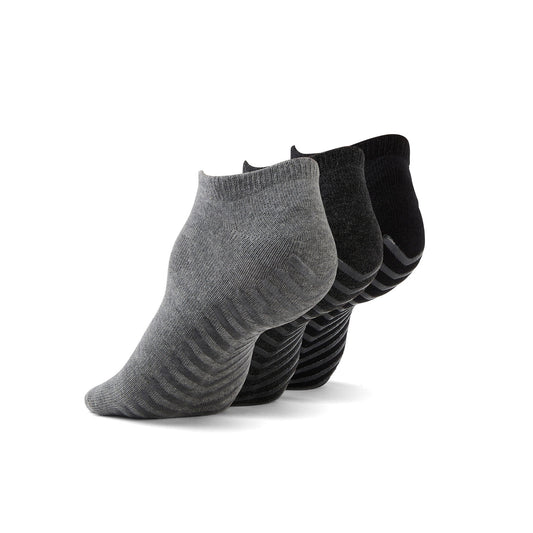
Kid's Blue Multi Anti-Slip Socks (4 pairs)
Reach-ability in Retail Environments and Online Shopping
Shopping should feel empowering, not exhausting. Yet in many retail environments, physical layout creates obstacles for wheelchair users.
The Americans with Disabilities Act requires accessible routes and clear floor space in public accommodations. However, compliance does not always mean convenience. Products placed on high shelves, narrow aisles, or crowded racks can still make shopping difficult.
Common in-store barriers include:
-
Shelves positioned above comfortable seated reach range
-
Clothing racks packed tightly together
-
Checkout counters too high for seated transactions
-
Heavy doors without automatic openers
The U.S. Access Board provides design standards suggesting that forward reach ranges should generally be between 15 and 48 inches from the floor for wheelchair users. When retailers ignore these guidelines, independence is reduced.
Online shopping has helped bridge some gaps. For many wheelchair users, digital storefronts offer:
-
Greater product access without physical strain
-
The ability to compare accessible features in detail
-
Time to read sizing charts and adaptive descriptions carefully
However, online platforms must also be accessible. Websites that are not compatible with screen readers, keyboard navigation, or voice technology create new barriers. According to the World Wide Web Consortium’s Web Content Accessibility Guidelines, digital accessibility is essential for inclusive commerce.
Accessible shopping means both physical and digital inclusion. It means designing stores, websites, and checkout systems with mobility needs in mind from the beginning.
Product Formats Adapting to Different Mobility Needs
Once a product is purchased, usability becomes the next challenge. Packaging and product format can either support or undermine independence.
For people with limited grip strength, tremors, or joint pain, small caps and stiff seals create frustration. Arthritis alone affects more than 32 million adults in the United States, according to the CDC. That number includes many wheelchair users and people with mobility disabilities.
Adaptive product features that improve usability include:
-
Easy-grip caps with textured surfaces
-
Pump dispensers instead of twist-off lids
-
Larger tear tabs and pull loops
-
Lightweight packaging that is easier to lift
Even subtle design changes make a difference. A lotion bottle that stands upright securely reduces the need for one-handed stabilization. A resealable pouch with a reinforced zipper allows access without tools.
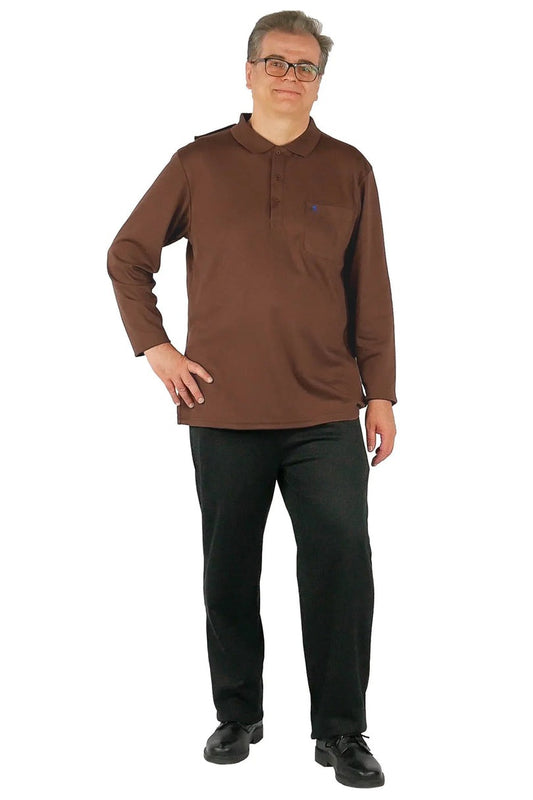
In adaptive fashion, closures matter just as much. Magnetic fasteners, side openings, and stretch panels allow dressing while seated. These details support users who may have limited balance or range of motion.
Inclusive product design is not about oversimplifying. It is about understanding real-world movement patterns and designing accordingly.

Bathroom Accessibility and Hygiene Product Storage
Bathrooms are one of the most important spaces for independence, yet they are often the least accessible.
According to the U.S. Department of Housing and Urban Development, many homes lack basic accessibility features such as grab bars, roll-in showers, or adjustable storage. Even when larger structural modifications are in place, product storage remains overlooked.
Consider common bathroom challenges for wheelchair users:
-
Cabinets mounted too high
-
Deep shelving that requires reaching and leaning
-
Slippery surfaces near sinks and tubs
-
Limited counter space at seated height
Thoughtful product storage can reduce these barriers.
Practical design considerations include:
-
Wall-mounted dispensers at seated reach range
-
Open shelving within 15 to 48 inches from the floor
-
Non-slip trays that prevent items from sliding
-
Clear labeling that allows quick identification
Hygiene products themselves should support safe access. Pump bottles reduce the need for fine motor twisting. Wide-based containers prevent tipping. Refillable dispensers placed at reachable heights minimize heavy lifting.
For many wheelchair users, personal care routines require coordination and energy. Reducing unnecessary strain preserves independence and dignity.
Independence and Dignity in Personal Care Routines
Personal care is deeply personal. It is tied to confidence, privacy, and identity. When products are difficult to open or store, the impact goes beyond inconvenience.
Independence in hygiene routines supports mental and emotional well-being. Research published by the National Institute on Disability, Independent Living, and Rehabilitation Research highlights the connection between environmental accessibility and quality of life outcomes for people with disabilities.
Barriers that reduce independence can include:
-
Packaging that requires two strong hands
-
Labels that are hard to read from a seated angle
-
Products stored outside of reach
-
Complicated multi-step opening systems
Accessible design supports autonomy in small but meaningful ways.
For example:
-
A magnetic closure on adaptive clothing allows dressing without assistance.
-
A pump-top shampoo eliminates twisting and squeezing strain.
-
A hygiene kit designed for seated storage keeps essentials within reach.
These details communicate respect. They say that users deserve products that work with their bodies, not against them.
At June Adaptive, independence is central to our mission. Accessible clothing and hygiene solutions are not medical devices. They are everyday essentials designed with intention.
Designing Products for Various Mobility Solutions
Mobility disabilities are not one-size-fits-all. Wheelchair users may use manual chairs, power chairs, or mobility scooters. Others may use walkers, crutches, or prosthetics. Design must reflect this diversity.
Seated Access Considerations
For individuals who use wheelchairs full time, seated ergonomics matter.
Products should:
-
Fit comfortably without pressure points
-
Avoid bulky seams at the back
-
Allow easy front access
Clothing designed for seated wear often includes higher back rises and lower front rises to prevent bunching. Thoughtful tailoring enhances comfort throughout the day.
One-Handed Use and Limited Grip Strength
Some mobility disabilities affect one side of the body more than the other. Stroke survivors, for example, may experience hemiparesis.
Design features that help include:
-
Magnetic closures instead of buttons
-
Loop pulls that can be hooked with a finger
-
Stabilized packaging that does not slide
These features allow product use without requiring two strong hands.
Power Chair and Mobility Device Compatibility
Power chair users often have additional space considerations. Wide armrests and control panels can affect reach angles.
Design should consider:
-
Front-facing openings rather than back closures
-
Lightweight materials that do not add strain
-
Adjustable straps for seated comfort
Even small changes in garment structure can prevent friction and discomfort during long periods of sitting.
Temporary Mobility Changes
Mobility disabilities are not always permanent. Injury recovery, surgery, and chronic pain flare-ups can temporarily affect movement.
Accessible products benefit:
-
Post-surgery patients
-
Older adults with joint pain
-
People managing chronic fatigue
Inclusive design creates flexibility for changing needs over time.

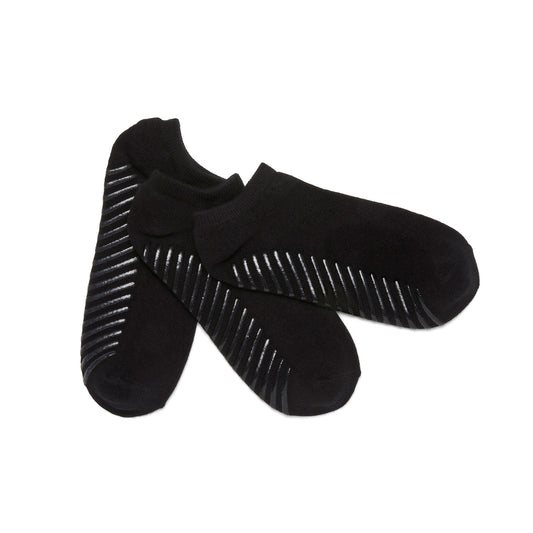
Kid's Pink Multi Anti-Slip Socks (4 pairs)
Why Accessible Design Benefits Everyone
Accessibility is often framed as a niche category—something designed for a small, specialized group of consumers. In reality, accessible design improves usability for a far broader audience. It recognizes a simple truth: human ability exists on a spectrum, and that spectrum shifts over time.
Designing for accessibility does not narrow a market. It expands it.
Think about how many people benefit from features often labeled “adaptive”:
-
Easy-open packaging that doesn’t require significant grip strength
-
Clear, reachable storage that reduces bending, stretching, or awkward positioning
-
Lightweight products that minimize strain on wrists and shoulders
-
Flexible clothing closures that are simple to fasten with one hand
These features support people with long-term disabilities—but they also benefit parents holding a toddler in one arm, travelers juggling carry-on luggage, individuals recovering from surgery, and older adults managing joint stiffness. Even someone with temporary hand fatigue after a long workday appreciates packaging that doesn’t fight back.
Accessibility is not about designing for “them.” It is about designing for all of us—across different moments in our lives.
Demographic trends make this even clearer. The U.S. Census Bureau projects that by 2034, older adults will outnumber children for the first time in U.S. history. With aging often comes reduced mobility, arthritis, decreased grip strength, and vision changes. Products that once felt intuitive can gradually become frustrating barriers.
Designing for accessibility today prepares brands for tomorrow’s consumers.
Forward-thinking companies understand that inclusive design is future-proof design. As mobility needs increase across the population, features like ergonomic grips, high-contrast labeling, adjustable closures, and intuitive packaging will become expectations rather than bonuses.
Inclusive design also signals innovation. Modern consumers—particularly younger generations—consistently express support for brands that prioritize equity, sustainability, and user-centered development. Accessible products communicate:
-
Thoughtfulness in engineering
-
Respect for diverse bodies
-
Commitment to independence and dignity
-
Awareness of evolving social values
When accessibility is built into the core design process, it sends a powerful message: this brand is paying attention.
At its heart, inclusive design reflects empathy translated into action. It recognizes that life is dynamic—abilities change, circumstances shift, and needs evolve. By creating products that adapt to those realities, brands demonstrate both practical intelligence and social responsibility.
Accessibility is not a specialized trend. It is the natural evolution of good design.
Building a More Accessible Future
Accessible shopping and product use require collaboration between designers, retailers, manufacturers, and consumers. It means testing products with real users. It means listening to feedback. It means recognizing that independence is not optional.
At June Adaptive, we are committed to designing adaptive clothing and accessible products that honor diverse mobility experiences. From seated-friendly silhouettes to easy-grip hygiene packaging, our goal is simple: make everyday life easier, more comfortable, and more dignified.
Accessibility is not about lowering standards. It is about raising them.
When reach-ability improves, when packaging opens smoothly, when storage supports independence, daily life becomes less about obstacles and more about possibility.
If you enjoyed this blog, please sign up to the June Adaptive Newsletter below to receive more updates! ⏳5 minutes of your time could win you a $50 gift card! 🎉Help us design our new adaptive apparel launch by sharing your experience. 👕 Link Here 👈