Written by Samantha Jafar
⏳5 minutes of your time could win you a $50 gift card! 🎉Help us design our new adaptive apparel launch by sharing your experience. 👕 Link Here 👈
Introduction
Skincare conversations are everywhere online, but for people with disabilities, these discussions often go beyond glow and texture. They include questions about accessible packaging, one-handed pumps, fragrance sensitivities, and ingredient reactions linked to chronic conditions. With more than 61 million adults in the United States living with a disability, according to the Centers for Disease Control and Prevention (CDC), these conversations represent a significant and often overlooked audience.
From Reddit threads to TikTok routines, disability communities are shaping the future of accessible skincare, one honest review at a time.

Embrace The Stripes Of Uniqueness - Kids Hoodie
r/SkincareAddiction: Community Norms and Recommendations
One of the largest skincare communities online is r/SkincareAddiction. While it is not disability-specific, many users openly discuss chronic illness, eczema, sensory sensitivities, and medication-related skin changes.
Reddit’s format allows for detailed, text-based discussions. That matters when someone needs more than a 30-second product demo. Users often post full ingredient lists, long-term updates, and step-by-step routines.
Common themes disability community members raise in skincare subreddits include:
-
Packaging that is difficult to open with limited grip strength
-
Dropper bottles that require two steady hands
-
Strong fragrances triggering migraines or sensory overload
-
Reactions related to autoimmune conditions
Reddit’s upvote system also helps surface community-approved solutions. If someone asks for a moisturizer with an easy-to-use pump, the most practical answers tend to rise to the top.
Community norms on Reddit emphasize:
-
Ingredient transparency
-
Patch testing before full use
-
Respectful tone in medical-related discussions
-
Evidence-based recommendations
The platform’s anonymity can create a safer space for discussing visible skin differences or disability-related concerns without fear of stigma.
For brands, Reddit offers insight into unfiltered user experience. It is less about aesthetic branding and more about performance, usability, and accessibility.
TikTok Disability Creators Sharing Product Reviews and Routines
If Reddit is where long-form skincare analysis happens, TikTok is where accessibility demonstrations come to life.
On TikTok, disability creators regularly post skincare routines that show how products function in real time. Instead of just saying a pump is “easy,” viewers see whether it works with one hand, whether the bottle tips over, or whether text is readable on camera.
According to the Pew Research Center, a majority of U.S. adults under 30 use TikTok, and usage continues to grow across age groups. That makes it a powerful tool for disability advocacy and consumer education.
Disability creators often share:
-
One-handed skincare routines
-
Reviews from seated angles for wheelchair users
-
Sensory-friendly product swaps
-
Comparisons of adaptive packaging
Unlike traditional influencers, disability creators frequently center accessibility in their reviews. For example:
-
Does the lid require a twisting force?
-
Is the packaging lightweight enough for arthritic hands?
-
Does the font contrast well for low vision?
These creators are not just reviewing skincare, they are reviewing design.
TikTok also allows for duets and stitches, which enable collaborative conversations. One creator might demonstrate a barrier; another might suggest an alternative product.
For brands, authenticity is critical on TikTok. Disability communities can quickly identify performative accessibility versus genuine effort. Engagement must be rooted in listening, not just marketing.
Twitter Disability Communities Advocating for Accessibility
On Twitter (now rebranded as X, but still widely referred to as Twitter), disability advocacy often takes a more policy-oriented tone.
Twitter has long been a hub for disability rights discussions, particularly around the Americans with Disabilities Act (ADA), digital accessibility, and inclusive design.
Skincare conversations here often intersect with broader accessibility themes, such as:
-
Calls for braille or tactile markers on packaging
-
Critiques of inaccessible website design
-
Requests for detailed accessibility descriptions
-
Public tagging of brands to address product concerns
Because Twitter is structured around public replies and threads, it creates visible accountability. When users raise concerns about inaccessible packaging or discriminatory marketing, brands are often expected to respond publicly.
Common discussion patterns include:
-
Sharing screenshots of inaccessible labels
-
Highlighting inclusive brands doing it right
-
Organizing collective feedback campaigns
-
Amplifying disability-led product reviews
Advocacy on Twitter often links skincare accessibility to civil rights. The ADA requires equal access in public spaces and has influenced digital accessibility standards. While consumer goods packaging is not regulated in the same way as architecture, public conversations create cultural pressure for improvement.
For companies, Twitter is less about curated visuals and more about responsiveness. Transparent replies, acknowledgment of feedback, and clear next steps build trust.

Instagram Accessibility Hashtags and Community Builders
On Instagram, skincare remains highly visual—but disability communities are reshaping that narrative.
Hashtags such as #DisabilityAdvocate, #AccessibleBeauty, and #ChronicIllnessLife help users find content centered on lived experience rather than just aesthetic perfection.
Instagram creators often focus on:
-
Visual demonstrations of adaptive skincare setups
-
Seated bathroom organization ideas
-
Close-up shots showing label readability
-
Honest discussions of visible skin conditions
Unlike traditional beauty feeds that emphasize flawless imagery, disability creators frequently highlight texture, assistive tools, and realistic routines.
Community builders on Instagram also prioritize accessibility in content creation by:
-
Adding alt text to images
-
Including closed captions on videos
-
Using high-contrast text overlays
-
Providing detailed product descriptions
These practices align with broader digital accessibility recommendations outlined by organizations like the U.S. Access Board and Web Content Accessibility Guidelines (WCAG).
For brands, Instagram presents an opportunity to demonstrate inclusive values visually. Representation should reflect:
-
Diverse mobility devices
-
Varied skin tones
-
Gender diversity
-
Real-life bathroom environments
Accessibility must be embedded in both content and caption.
Engaging Authentically with Disability Community Spaces
Understanding where skincare discussions happen is only the first step. The more important question is: How should brands engage?
Authentic engagement requires humility and consistency.
Before entering disability community spaces, brands should consider:
-
Are accessibility features clearly listed on product pages?
-
Have products been tested with people across disability types?
-
Are social media posts captioned and alt text included?
-
Is feedback publicly acknowledged and addressed?
Effective engagement strategies include:
-
Listening before promoting
-
Collaborating with disability creators as paid partners
-
Offering transparent explanations of packaging decisions
-
Inviting community feedback through surveys and Q&A sessions
It is also essential to avoid tokenism. Featuring one disabled creator during Disability Pride Month is not the same as sustained inclusion.
Community trust builds when brands:
-
Share accessibility roadmaps
-
Provide detailed usability descriptions
-
Respond respectfully to criticism
-
Show long-term commitment to inclusive design
At June Adaptive, accessible hygiene and skincare innovation begins with listening. Whether conversations happen on Reddit, TikTok, Twitter, or Instagram, the goal remains the same: learn from lived experience.
Why These Conversations Matter for the Future of Accessible Skincare
Social media is not just a marketing tool. It is a research tool. It is a feedback loop. It is a community archive.
Disability skincare discussions highlight issues that traditional beauty advertising often overlooks:
-
Packaging ergonomics
-
Label contrast
-
Pump resistance
-
Storage reachability
-
Sensory considerations
These details shape daily independence.
As the U.S. population ages, projected by the U.S. Census Bureau to see older adults outnumber children by 2034, mobility limitations, arthritis, and vision changes will become more common. Accessible skincare is not a niche category. It is the future of inclusive consumer design.
Accessible design benefits:
-
People with long-term disabilities
-
Individuals recovering from surgery
-
Older adults aging in place
-
Caregivers managing daily routines
When disability communities discuss skincare online, they are doing more than sharing beauty tips. They are redefining usability standards.

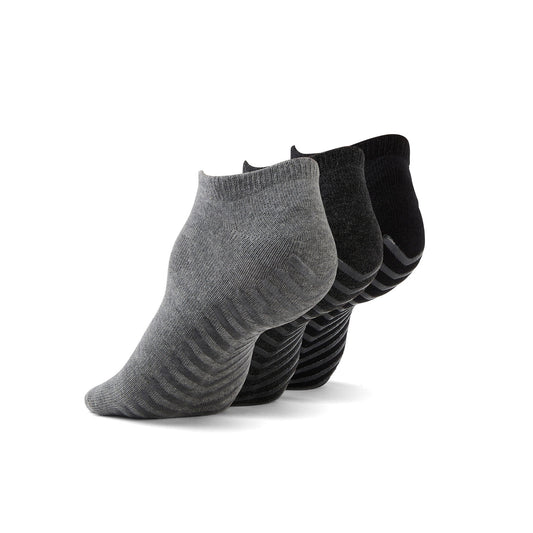
Everyday Crew Anti-Slip Socks (3 pairs)
June Adaptive’s Commitment to Listening
At June Adaptive, we believe that inclusive innovation is community-driven. Accessible hygiene products and adaptive clothing must reflect real-world use—not assumptions.
By following disability conversations online, engaging respectfully, and inviting feedback, brands can design products that feel empowering rather than clinical.
From Reddit threads analyzing pump resistance to TikTok demonstrations of one-handed routines, these spaces offer invaluable insight.
When brands listen, products improve.
When communities lead, accessibility evolves.
And when inclusion becomes consistent, not occasional, trust grows.
Accessible skincare should support dignity, independence, and confidence—on every platform and in every routine.
If you enjoyed this blog, please sign up to the June Adaptive Newsletter below to receive more updates! ⏳5 minutes of your time could win you a $50 gift card! 🎉Help us design our new adaptive apparel launch by sharing your experience. 👕 Link Here 👈