Introduction
For individuals with visual impairments, shopping for skincare products can sometimes feel more stressful than relaxing. Small labels, difficult-to-distinguish packaging, and crowded store shelves often create unnecessary accessibility barriers. Everyday activities like identifying cleansers, moisturizers, or sunscreen products may require extra time and assistance. Fortunately, accessible product design, adaptive technology, and inclusive fashion are helping create more empowering and comfortable daily experiences for people with vision loss.
The Accessibility Challenges of Skincare Shopping
Many skincare products prioritize sleek branding and aesthetic packaging over usability. While attractive packaging may stand out visually, it can create frustration for consumers who rely on tactile cues or accessible labeling.
Common challenges include:
-
Small or low-contrast text
-
Similar container shapes
-
Hard-to-open lids and caps
-
Lack of Braille or tactile labeling
-
Confusing product organization in stores
According to the National Eye Institute, millions of Americans live with vision impairment, making accessible product design increasingly important across industries.
Why Accessible Packaging Benefits Everyone
Accessible packaging does not only help individuals with vision loss. Features designed for accessibility often improve convenience for many consumers.
Helpful Accessibility Features Include:
-
Larger readable text
-
Easy-open dispensers
-
Tactile labels or textured packaging
-
High-contrast designs
-
Pump bottles instead of twist caps
These thoughtful adjustments can make skincare routines easier, safer, and more independent.
Tips for Navigating the Skincare Aisle More Easily
Although the skincare industry still has room for improvement, there are practical strategies that can make shopping more manageable.
1. Use Smartphone Accessibility Tools
Modern smartphones include accessibility features that can assist with product identification and label reading.
Helpful tools include:
-
Text-to-speech readers
-
Barcode scanning apps
-
Magnification features
-
Voice assistants
-
Object recognition apps
These technologies can help consumers independently compare products and read packaging information.
2. Organize Products at Home Using Tactile Systems
Creating a tactile organization system at home can simplify skincare routines.
Helpful methods include:
-
Raised stickers for different products
-
Braille labels
-
Rubber bands for texture identification
-
Separate storage bins for product categories
Small organization techniques can reduce confusion and improve confidence during daily use.
3. Choose Easy-to-Handle Packaging
Some skincare containers are naturally more accessible than others.
Products with:
-
Pump dispensers
-
Flip-top lids
-
Larger containers
-
Non-slip textures
are often easier to identify and use independently.
Accessibility Extends Beyond Skincare
Accessibility is not limited to beauty products. Clothing and everyday essentials also play an important role in supporting comfort, dignity, and independence.
At June Adaptive, adaptive fashion is designed to reduce barriers while making daily routines easier and more comfortable.
Adaptive Dresses Designed for Everyday Comfort
One thoughtfully designed option is the Women’s Adaptive Open-Back Soft Knit Dress.
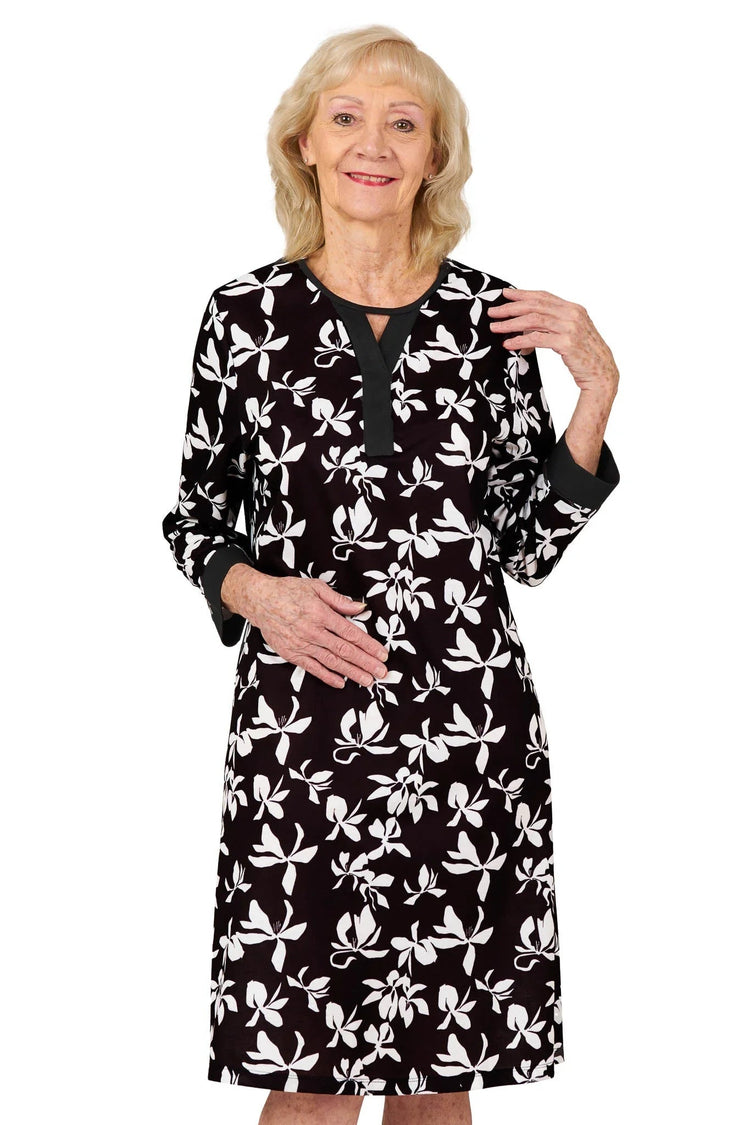
Women’s Adaptive Open-Back Soft Knit Dress.
This adaptive dress combines accessibility with comfort and style. The open-back construction simplifies dressing routines for individuals with mobility limitations or assisted dressing needs.
Key Features Include:
-
Soft knit fabric for comfort
-
Open-back design for easier dressing
-
Reduced dressing stress
-
Comfortable seated fit
-
Stylish everyday appearance
Adaptive clothing helps individuals maintain confidence while supporting easier daily routines.
Adaptive Denim Designed for Easier Dressing
Traditional jeans can sometimes create frustration for individuals with limited dexterity, mobility challenges, or visual impairments due to buttons, zippers, and stiff materials.
The Women's Adaptive Denim Jeans with Easy-Open Side Velcro are designed to simplify dressing while maintaining classic everyday style.
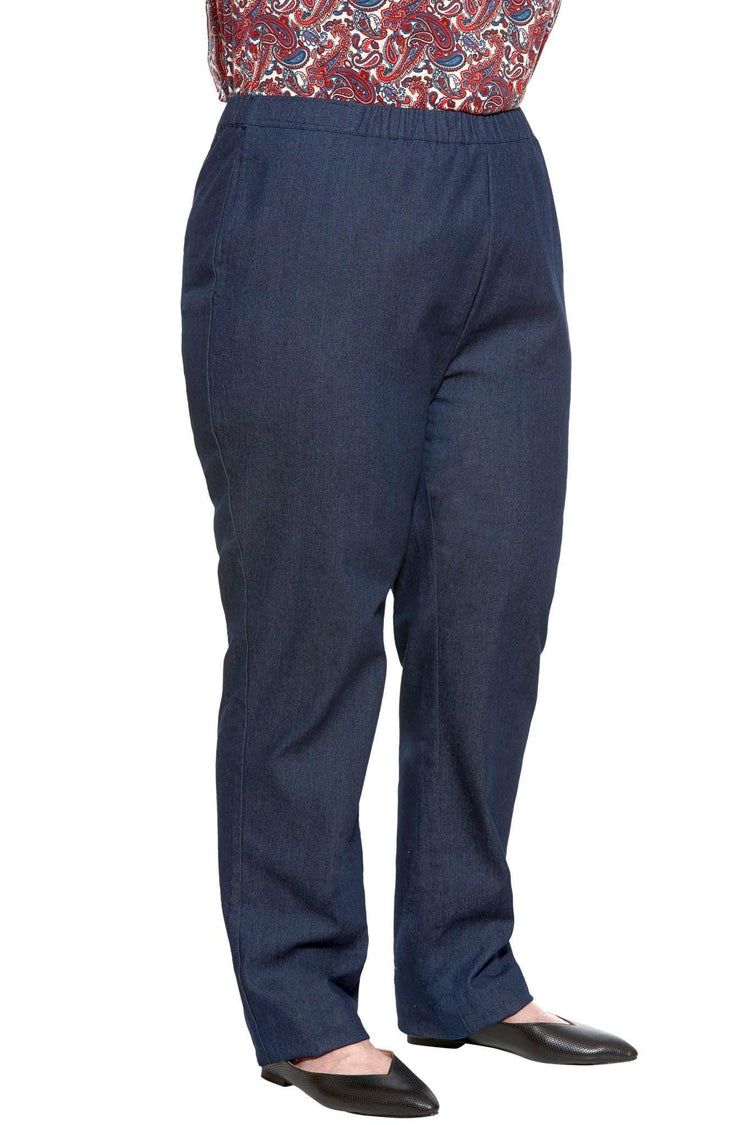
Women's Adaptive Denim Jeans with Easy-Open Side Velcro
Benefits Include:
-
Easy-open side Velcro closures
-
Reduced strain during dressing
-
Comfortable denim fit
-
Greater independence
-
Easier caregiver assistance when needed
These adaptive jeans help combine fashion with functionality and accessibility.
Comfortable Adaptive Sleepwear Matters Too
Comfort and accessibility are especially important during nighttime routines. Sleepwear that is difficult to put on or remove can create unnecessary frustration and discomfort.
The Women's Bow Long Sleeve Nightgown with Back Overlap is designed to support both comfort and easier dressing assistance.
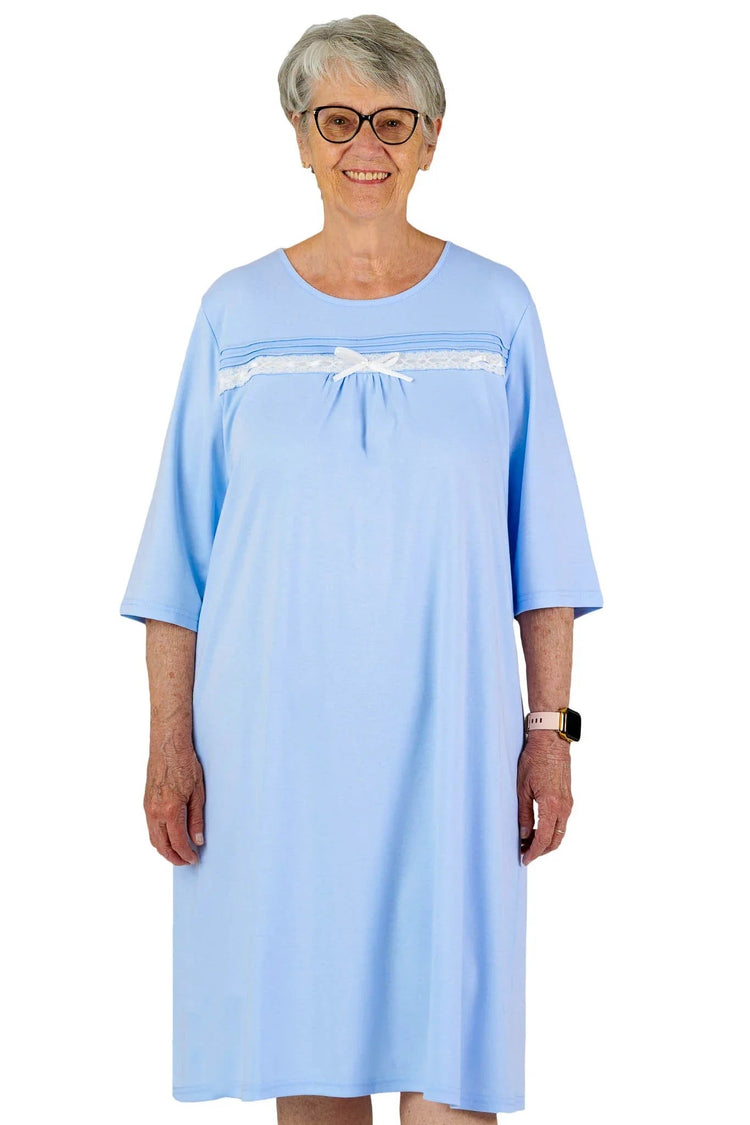
Women's Bow Long Sleeve Nightgown with Back Overlap
Why Adaptive Sleepwear Helps
Helpful features include:
-
Back overlap design for assisted dressing
-
Soft fabric for nighttime comfort
-
Easier changes during caregiving routines
-
Reduced pressure and friction on sensitive skin
-
Comfortable fit for extended wear
Adaptive sleepwear helps create a more relaxing and supportive nighttime experience for both wearers and caregivers.
How Adaptive Fashion Supports Independence
Adaptive apparel is about much more than convenience. It allows individuals to participate more independently in daily routines while reducing physical and emotional stress around dressing.
Features commonly found in adaptive fashion include:
-
Snap closures instead of buttons
-
Open-back construction
-
Stretch fabrics for comfort
-
Sensory-friendly materials
-
Accessible fits for seated wear
These thoughtful details can make everyday activities more manageable and empowering.
The Emotional Impact of Accessible Design
Accessibility is closely connected to confidence, dignity, and emotional well-being.
Products that are easier to use can help support:
-
Greater self-confidence
-
Increased independence
-
Reduced frustration
-
More comfortable daily routines
-
Improved quality of life
Even small improvements in accessibility can have a meaningful emotional impact over time.
Why Inclusive Design Matters
Accessible design benefits everyone—not just individuals with disabilities.
For example:
-
Larger labels help older adults
-
Easy-open containers benefit busy consumers
-
Adaptive clothing supports caregivers
-
Comfortable fabrics improve wearability for all users
Inclusive design creates products that are simply easier and more practical for everyday life.
Final Thoughts
Navigating the skincare aisle with a visual impairment can present unique challenges, but accessible tools, thoughtful organization strategies, and inclusive products can help make everyday routines more manageable and empowering.
From tactile skincare organization methods to adaptive dresses, adaptive denim, and accessible sleepwear, inclusive design helps support confidence, dignity, and comfort. Products like the Women’s Adaptive Open-Back Soft Knit Dress, Women's Adaptive Denim Jeans with Easy-Open Side Velcro, and Women's Bow Long Sleeve Nightgown with Back Overlap demonstrate how adaptive fashion can improve daily living while maintaining personal style and comfort.
As more industries embrace accessibility and universal design, consumers of all abilities will benefit from products that truly work for real-life needs.
If you enjoyed this blog, please sign up to the June Adaptive Newsletter below to receive more updates! Share your experience in our 5-minute survey to inform our new adaptive apparel launch. Get a chance to win a $50 gift card Link here