Introduction
Body care routines are often viewed as simple daily habits, but for individuals with limited sensory processing, they can become overwhelming and exhausting experiences. Certain textures, fabrics, temperatures, scents, or physical sensations may trigger discomfort, stress, or sensory overload. Activities like applying lotion, showering, or changing clothes can feel physically and emotionally draining when the body reacts strongly to sensory input. Fortunately, thoughtful body care practices and adaptive clothing solutions can help create more comfortable, calming, and supportive routines that prioritize dignity, comfort, and accessibility.
Understanding Sensory Processing Challenges
Sensory processing refers to how the nervous system receives and responds to sensory information from the environment. Individuals with sensory sensitivities may experience heightened reactions to touch, temperature, textures, sound, or movement.
Sensory processing challenges can affect:
1. Individuals with autism spectrum disorder
2. Older adults with neurological conditions
3. People recovering from strokes or injuries
4. Individuals with chronic pain or nerve disorders
5. People with sensory sensitivities unrelated to medical diagnoses
According to the American Occupational Therapy Association (AOTA), sensory sensitivities can significantly affect daily living activities, including grooming, dressing, and personal care routines.
Why Texture Can Affect Body Care Comfort
Texture sensitivity is one of the most common sensory-related challenges during body care routines. Certain fabrics, skincare products, or grooming tools may feel irritating or overwhelming against the skin.
Common texture-related triggers include:
1. Rough fabrics or seams
2. Sticky lotions or creams
3. Tight waistbands
4. Scratchy clothing tags
5. Heavy or restrictive materials
Even small discomforts can build up over time and increase stress during daily routines.
Temperature Sensitivity and Daily Care
Temperature regulation can also affect body care experiences. Some individuals may be highly sensitive to hot or cold sensations, making showers, skincare products, or clothing changes uncomfortable.
Helpful Temperature Management Tips
To reduce discomfort:
1. Use lukewarm water instead of very hot water
2. Warm clothing before dressing if needed
3. Avoid overly cold skincare products
4. Choose breathable fabrics for temperature regulation
5. Layer clothing for easier comfort adjustments
Small adjustments can help create more calming and manageable routines.
Building a Sensory-Friendly Body Care Routine
Creating a body care routine that supports sensory comfort often involves trial and error. The goal is to reduce overwhelming stimuli while increasing predictability and comfort.
Helpful Strategies Include:
1. Using fragrance-free skincare products
2. Choosing lightweight, non-greasy lotions
3. Maintaining consistent routines
4. Using soft towels and washcloths
5. Reducing harsh lighting or loud noises during care routines
A calming environment can significantly improve comfort and reduce stress.
The Importance of Sensory-Friendly Clothing
Clothing plays a major role in sensory comfort. Fabrics that feel restrictive, rough, or difficult to manage may increase frustration throughout the day.
Adaptive clothing can help by:
1. Reducing uncomfortable seams and closures
2. Simplifying dressing routines
3. Supporting mobility and assisted dressing needs
4. Offering softer, more breathable materials
At June Adaptive, adaptive apparel is designed with both accessibility and comfort in mind.
Adaptive Shirts Designed for Sensory Comfort
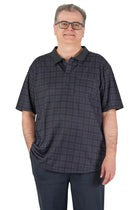
One thoughtfully designed option is the Men’s Adaptive Short Sleeve Back-Opening Shirt.

Men’s Adaptive Short Sleeve Back-Opening Shirt
This adaptive shirt is designed to reduce dressing stress while providing comfortable
everyday wear. Its back-opening design helps simplify dressing for individuals with mobility limitations or sensory sensitivities.
Key Benefits Include:
1. Easier assisted dressing
2. Reduced pulling over the head
3. Comfortable short-sleeve design
4. Soft, breathable material
5. Less physical strain during clothing changes
For individuals who experience sensory discomfort during dressing, simpler clothing designs can make daily routines feel less overwhelming.
Adaptive Apparel That Supports Gentle Dressing Routines
Traditional shirts with small buttons, stiff collars, or restrictive neck openings may create discomfort for people with sensory processing challenges.
The Women's Open-Back Long Sleeve Shirt for Easy Assisted Dressing is designed to
support easier and more comfortable dressing experiences.

Women's Open-Back Long Sleeve Shirt for Easy Assisted Dressing
Why Open-Back Designs Help?
Helpful features include:
1. Open-back construction for easier access
2. Reduced friction against sensitive skin
3. Easier caregiver assistance
4. Soft long-sleeve comfort
5. Reduced dressing-related stress
Adaptive designs help minimize unnecessary movement, pressure, and sensory overload during dressing routines.
Comfort and Style Can Coexist
Adaptive clothing should not feel clinical or impersonal. Many individuals want apparel that feels comfortable while still reflecting their personal style.
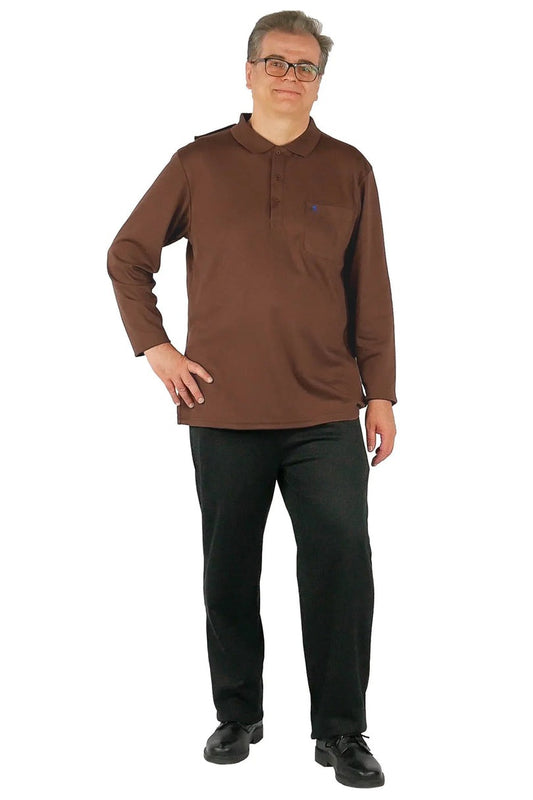
The Men’s Adaptive Long Sleeve Back-Opening Jacquard Polo Shirt combines adaptive functionality with a polished appearance.

Men’s Adaptive Long Sleeve Back-Opening Jacquard Polo Shirt
Features That Support Comfort and Accessibility
This adaptive polo shirt offers:
1. Back-opening design for easier dressing
2. Soft jacquard fabric for sensory comfort
3. Long-sleeve warmth without restrictive fit
4. Reduced dressing frustration
5. Stylish everyday appearance
Accessible fashion helps individuals maintain confidence and dignity while supporting
practical daily needs.
How Caregivers Can Support Sensory Comfort
Caregivers play an important role in helping create supportive body care routines for
individuals with sensory sensitivities.
Helpful Caregiving Approaches Include:
1. Explaining each step before beginning care
2. Maintaining predictable routines
3. Offering clothing choices when possible
4. Respecting sensory boundaries
5. Using gentle, patient communication
A calm and respectful approach can help reduce anxiety and create more positive daily experiences.
The Emotional Impact of Sensory-Friendly Care
Sensory overload is not simply an inconvenience—it can affect emotional well-being, energy levels, and overall quality of life.
When body care routines become more comfortable, individuals may experience:
1. Reduced stress and frustration
2. Greater confidence and independence
3. Improved willingness to participate in daily care
4. Better emotional regulation
Thoughtful accessibility and sensory support can have meaningful long-term effects onwell-being.
Why Inclusive Design Matters
Inclusive design recognizes that comfort is not one-size-fits-all.
Products and clothing designed with sensory accessibility in mind often benefit a much wider audience.
For example:
1. Soft fabrics improve comfort for everyone
2. Easy closures simplify dressing routines
3. Breathable materials support temperature regulation
4. Adaptive designs reduce physical strain for caregivers
Accessibility-focused innovation creates better experiences for many different people and lifestyles.
Final Thoughts
Body care routines can feel overwhelming for individuals with limited sensory processing, especially when texture, temperature, and touch sensitivities affect everyday comfort. Creating sensory-friendly environments, choosing gentle skincare products, and wearing adaptive clothing can help make daily care routines more manageable and empowering.
Products like the Men’s Adaptive Short Sleeve Back-Opening Shirt, Women's Open-Back Long Sleeve Shirt for Easy Assisted Dressing, and Men’s Adaptive Long Sleeve Back-Opening Jacquard Polo Shirt demonstrate how adaptive fashion can reduce dressing stress while supporting comfort, accessibility, and dignity.
At June Adaptive, we believe thoughtful design can help make everyday living more
comfortable, inclusive, and supportive for people of all abilities.
If you enjoyed this blog, please sign up to the June Adaptive Newsletter below to receive more updates! Share your experience in our 5-minute survey to inform our new adaptive apparel launch. Get a chance to win a $50 gift card Link here