Written by Samantha Jafar
⏳5 minutes of your time could win you a $50 gift card! 🎉Help us design our new adaptive apparel launch by sharing your experience. 👕 Link Here 👈
Introduction
One of the places where sensitive skin is most exposed is in the shower. A body wash that cleans without irritation can make the difference between a calming morning routine and a frustrating skin reaction that lasts all day. Finding a body wash that supports your skin’s natural barrier while removing dirt and oil requires paying attention to what’s inside the product and how it interacts with your body.
 Kid's Blue Multi Anti-Slip Socks (4 pairs)
This blog explores gentle ingredients that soothe and nourish, explains what emulsifiers and pH balance do, compares formats like gel, cream, and foam, and highlights some brands that are known for creating sensitive skin–friendly body washes. Along the way you will see why sensitive skin deserves thoughtful care and how small choices can make big improvements in comfort and skin health.
Key ingredients in gentle body washes (ceramides, hyaluronic acid, oat extract)
When it comes to gentle body washes, the ingredients matter more than the label on the front of the bottle. Many products are marketed as gentle or sensitive skin–friendly, yet not all deliver what sensitive skin actually needs. To tell the difference, look for ingredients that help support the skin’s barrier, lock in moisture, and soothe irritation.
- Ceramides
Ceramides are lipids, or fats, that are naturally part of the outer layer of your skin. Your skin uses them to hold itself together and form a protective barrier. When your skin lacks ceramides, it becomes more vulnerable to dryness and irritation. Body washes that include ceramides help replace these essential lipids while cleansing. This can soothe dryness and reduce the likelihood of flare-ups, especially if you have eczema or dry, reactive skin.
CeraVe is a good example of a body wash that uses ceramides to gently cleanse while supporting the skin barrier. The formula also often includes hyaluronic acid and glycerin, which are humectants that attract and hold moisture in the skin rather than stripping it away. Including these kinds of ingredients makes it easier for the skin to stay hydrated and comfortable, even after repeated showers.
- Hyaluronic acid
Hyaluronic acid is a molecule that can hold many times its weight in water. When included in body wash, it helps boost skin hydration by drawing moisture to the surface and helping it stay there. Unlike harsh soaps that can dry your skin by removing natural oils, body washes with hyaluronic acid help protect the skin’s natural moisture balance. When combined with ceramides and glycerin, hyaluronic acid supports a gentle cleanse that does not leave the skin feeling tight or flaky post-shower.

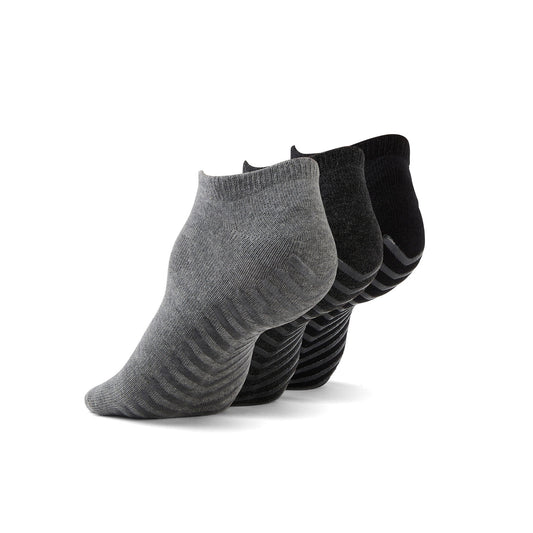
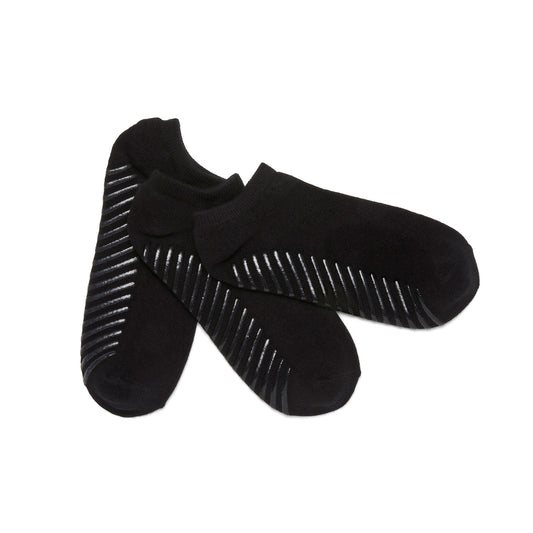
Comfort Crew Anti-Slip Socks (3 pairs)
- Oat extract
Oat extract is another ingredient you will see often in products marketed for sensitive skin or itch relief. Oats contain compounds that can soothe irritation, calm redness, and support the skin barrier. This is why ingredients like oat kernel extract or colloidal oats show up in products designed for itchy or reactive skin, including some sensitive skin body washes. Oats are especially common in fragrance-free and dermatologist-recommended options.
Other supportive ingredients you might find include aloe vera, which calms redness and provides cooling relief; shea butter, which nourishes and softens; and vitamin E, which has antioxidant properties that can help protect and repair skin. These ingredients are not strictly necessary for everyone, but they can add extra soothing power for people who find their skin easily overwhelmed by environmental stressors or shaving.
Understanding emulsifiers and their role in body wash formulation
A body wash has to do two things at once. It has to remove oil, sweat, and dirt, and it also has to be gentle enough to respect the natural oils and protective barrier of your skin. That is where emulsifiers play a key role.
Emulsifiers are ingredients that help combine water and oil so they can be rinsed away together. They are part of what makes a body wash “wash.” Without emulsifiers, oil and water would separate and your body wash would not lather or effectively clean your skin.
Not all emulsifiers are created equal.
- Some are too harsh for sensitive skin because they strip away too much of the skin’s natural oils along with the dirt.
- Others are milder and designed to break down gently so they do not leave your skin feeling dry or irritated.
Look for emulsifiers that are described as mild or designed for sensitive skin formulations. These can help maintain the balance between cleansing and preserving the skin’s barrier.Many gentle body washes use alternative surfactants and emulsifiers that are less likely to irritate. Ingredients like sodium lauroyl sarcosinate or sodium cocoyl isethionate are examples of surfactants that cleanse without excessive stripping.
These are often found in body washes formulated for easy rinsing and compatibility with dry, sensitive skin. Caution is still necessary, since what is gentle for one person might be irritating to someone with extremely reactive skin or allergies to certain surfactants. Knowing your own skin’s responses and patch testing new products can help you identify which emulsifiers work well for you.
- Emulsifiers also help create the texture and foam of a body wash.
- Gel formulas often include emulsifiers that produce a denser foam, while creamy or lotion body washes may use different mixtures that create a silkier feel.
All of these variations are ultimately about how the surfactants interact with your skin and how well they rinse off without leaving residue that could lead to irritation.
Understanding the role of pH in body wash is closely linked to emulsifiers because both can influence how your skin feels after cleansing and how well its natural barrier functions.
pH balance and its importance for people with reactive skin
The pH of your body wash refers to how acidic or alkaline the formula is. The skin’s natural pH is slightly acidic, usually around 4.5 to 5.5. This acidity helps maintain the protective barrier known as the acid mantle. When you use a body wash with a pH that is too high or alkaline, it can disrupt this barrier, leading to dryness, irritation, and increased sensitivity over time.
- Sensitive skin benefits from a body wash that is pH balanced, meaning it is formulated to stay within a range that supports the skin’s natural acidity.
- A pH-balanced wash will cleanse without weakening the barrier, which helps skin retain moisture and resist irritation.
- When the barrier works properly, allergens and irritants are less likely to penetrate and trigger reactions.
Products marketed as gentle still varied widely in actual pH levels. Body washes that measured closer to the skin’s natural pH tended to cause less irritation and did not leave as much tightness or discomfort after rinsing.
This shows why checking for pH balance — or choosing products dermatologists recommend for sensitive skin — can be more meaningful than relying solely on marketing claims.
Many body washes designed for sensitive skin will list pH balance on the packaging or in product details. Fragrance-free and sulfate-free formulas are also common among pH-balanced options, because synthetic fragrances and harsh sulfates can create irritation that compounds pH disruption. If you are unsure what pH is best for your skin, dermatologists often recommend staying within the 4.5 to 5.5 range, which mirrors the natural acidity of healthy skin.
pH balance is not the only thing that matters. Still, it interacts with other formulation choices such as emulsifiers and moisturizing ingredients to determine how a body wash will feel and perform for someone with reactive skin.
Comparing gel, cream, and foam formats for accessibility
Body washes come in gel, cream, and foam formats, and each feels different on sensitive skin. Texture and formulation affect both comfort and ease of use in the shower
Gel
-
Gel body washes are usually clear and can range from watery to thick
-
They often lather well and rinse clean
-
If made with harsh surfactants, they may strip natural oils
-
Sensitive skin may tolerate gels if they are labeled for dry or sensitive skin
-
Some people find gels less moisturizing than cream formulas
Cream
-
Cream body washes are thicker and more hydrating
-
They often contain emollients and humectants like glycerin or hyaluronic acid
-
The texture can feel more soothing and supportive for dry or irritated skin
-
Cream formulas help maintain moisture and reduce tightness after showering
Foam
-
Foam body washes create a light, airy lather
-
They rinse easily and may feel refreshing rather than heavy
-
Foam formulas can be less concentrated in moisturizing ingredients
-
Gentleness still depends on mild ingredients and proper pH balance, not just the texture
Accessibility is another factor when choosing a format. Cream and lotion formats tend to be thicker, which may be harder to squeeze from a nearly empty bottle for someone with grip issues. Gel formats might be easier to dispense for people with limited dexterity because they often come in pump bottles. Foam body washes that come in pressurized bottles can be very easy to use with one hand, but make sure the formula inside the pressurized foam is still suitable for sensitive skin.
Ultimately, choosing between gel, cream, and foam comes down to how your skin responds and how easy the package format is for you to handle.
Brands excelling in sensitive skin body wash formulation
There are many brands on the market, but not all of them do what sensitive skin needs. Some have created entire lines around gentle, soothing, non-irritating cleansers that many dermatologists recommend.
One of the most frequently cited is CeraVe Hydrating Body Wash. It uses ceramides and hyaluronic acid to cleanse gently while helping restore and maintain the skin’s protective barrier. Because it is fragrance-free and pH-balanced, many people with sensitive or eczema-prone skin find it less irritating than harsher products.

Choose Balance - Gender Neutral Sweatshirt
Dove sensitive skin body washes
-
Widely recommended by dermatologists
-
Many Dove formulas are hypoallergenic and sulphate-free
-
They use gentler surfactants that help lower the risk of irritation
-
Skin is left feeling soft and hydrated rather than tight or stripped
Aveeno Skin Relief Body Wash
-
Contains oat extract to calm irritation
-
Oat ingredients are known to soothe redness, dryness, and itchiness
-
This formula supports hydration for reactive or easily inflamed skin
-
It can be a good option if typical shower gels leave your skin uncomfortable
Nécessaire
-
Offers a fragrance-free body wash with ceramides and hyaluronic acid
-
The formula focuses on strengthening the skin barrier while cleansing gently
-
Added antioxidants and botanicals provide extra nourishment
-
It appeals to people looking for minimalist but ingredient-focused skincare
Renpure Sensitive Skin Body Wash
-
Combines oat milk and ceramides
-
The formula is simple and designed to support moisture balance
-
It is generally more affordable while still targeting sensitive skin needs
-
It aims to reduce irritation without heavy fragrances or harsh additives
Don’t Forget!
-
Every person’s skin responds differently to products
-
A product that works well for one person may not work the same for another
-
Patch testing before full use can reduce the risk of irritation
-
Observing how your skin reacts over several uses helps identify the best long-term option
Final Thoughts
Choosing a body wash for sensitive skin means paying attention to ingredients, pH balance, product format, and how your own skin reacts over time. Ingredients like ceramides, hyaluronic acid, and oat extract help support hydration and soothe irritation.
Emulsifiers determine how a formula cleans without stripping natural oils. pH balance is essential for maintaining your skin’s natural protective barrier. Different formats feel and function differently in the shower, and accessibility matters for ease of use as well as skin comfort.
If you enjoyed this blog, please sign up to the June Adaptive Newsletter below to receive more updates!
⏳5 minutes of your time could win you a $50 gift card! 🎉Help us design our new adaptive apparel launch by sharing your experience. 👕 Link Here 👈