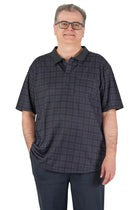
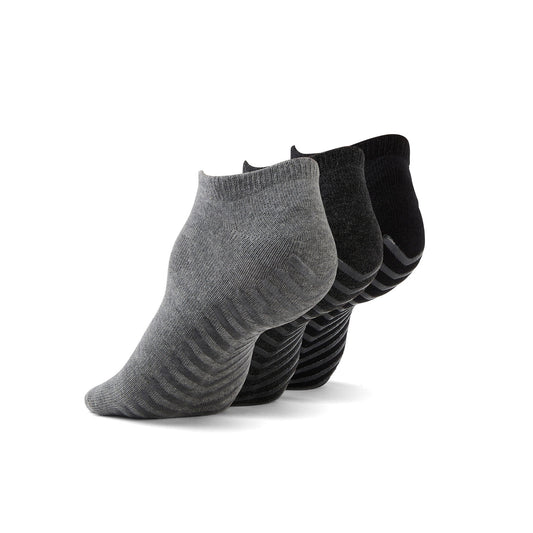
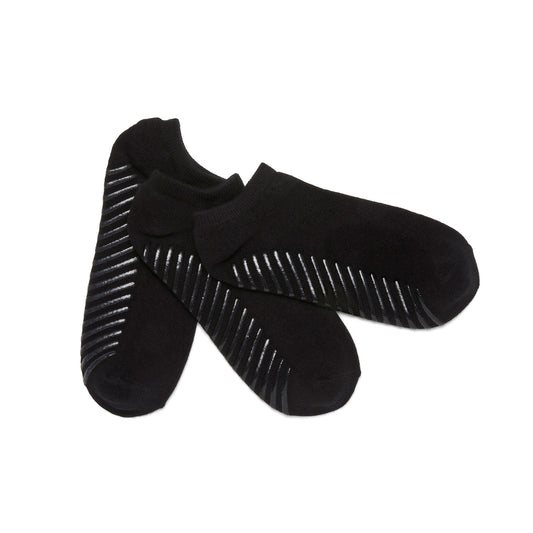
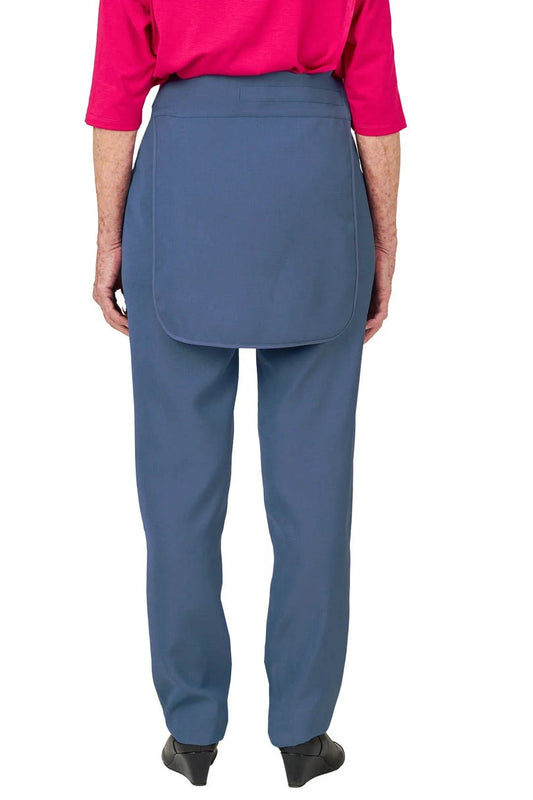
⏳5 minutes of your time could win you a $50 gift card! 🎉Help us design our new adaptive apparel launch by sharing your experience. 👕 Link Here 👈
Accessibility is often treated like something brands “add later,” once the product is already on shelves. But for consumer packaged goods, that approach usually creates more work, more cost, and more frustration for the people the product is supposed to serve. From a hard-to-open cap to tiny label text or an irritating formula, small design choices can quickly become barriers. At June Adaptive, we believe accessible design works best when it is built into the mission from day one.
Embedding accessibility into your brand mission and values
An accessible CPG brand starts with a simple belief: people should not have to struggle to use everyday products. That includes skincare, cleaning products, body washes, supplements, snacks, apparel care, personal hygiene products, and anything else that sits in a cabinet, shower, drawer, purse, or pantry.
Accessibility is not a niche concern. The CDC reports that more than 1 in 4 U.S. adults has some type of disability, including disabilities related to mobility, cognition, independent living, hearing, vision, and self-care. That means accessible product design is not just a social good. It is a practical business decision for a large and diverse customer base. (CDC)
When accessibility is part of the brand mission, it influences every decision. It affects what ingredients are used, how bottles open, how instructions are written, how websites are designed, how customer service responds, and how marketing represents real people. It also prevents accessibility from becoming a last-minute checklist.
A strong accessibility mission might include commitments like:
-
Designing with disabled customers, not simply for them.
This means involving people with disabilities in research, feedback, product testing, and launch decisions. -
Reducing physical, sensory, cognitive, and communication barriers.
Accessibility is not only about wheelchair access. It also includes grip strength, vision, hearing, scent sensitivity, skin sensitivity, fatigue, memory, and ease of understanding. -
Making comfort and dignity part of the product promise.
A product should work well, but it should also feel respectful, easy to use, and appropriate for real daily routines.
For June Adaptive, this philosophy is central. Adaptive fashion is not about making separate products for “special cases.” It is about recognizing that every body deserves clothing, accessories, and daily-use products that support independence and confidence.
The same is true for CPG brands. If a body wash is gentle but impossible to open, it is not fully accessible. If a detergent is effective but heavily fragranced, it may not work for people with sensory sensitivities or reactive skin. If a product page is beautiful but unreadable for screen reader users, the digital shopping experience has failed before the product even arrives.
Building accessibility into the brand mission gives teams a shared standard: every decision should make life easier, not harder.
Mapping the customer journey for people with disabilities
A product does not begin when someone opens the package. The customer journey starts much earlier. It may begin with a search result, a social media post, a recommendation from a caregiver, or a product page viewed with assistive technology.
For people with disabilities, that journey often includes extra questions:
-
Can I read the label?
-
Can I open the package?
-
Can I use it with one hand?
-
Will the scent bother me?
-
Will the formula irritate my skin?
-
Can I reorder it easily?
-
Can my caregiver understand the instructions?
-
Is the website accessible with a screen reader?
-
Are returns simple if the product does not work for me?
The Americans with Disabilities Act requires businesses open to the public to provide people with disabilities an equal opportunity to access their goods and services. The ADA also emphasizes effective communication, meaning businesses may need to provide aids or services so people with vision, hearing, or speech disabilities can access information. (ADA.gov)
For CPG brands, this means accessibility should be considered across both physical and digital touchpoints. A customer may need accessible packaging, but they may also need readable instructions, clear product images, captioned videos, alt text, keyboard-friendly navigation, and customer support that understands accessibility questions.
A useful way to map the journey is to walk through each stage:
-
Discovery
Can customers find the product through accessible websites, social media captions, search-friendly descriptions, and plain-language content? -
Evaluation
Can they understand ingredients, sizing, usage instructions, warnings, texture, scent, and accessibility features before buying? -
Purchase
Is the checkout process usable with assistive technology? Are shipping, subscriptions, discounts, and returns explained clearly? -
Unboxing
Is the packaging easy to open without excessive grip strength, sharp tools, or complicated seals? -
Daily use
Can the product be held, squeezed, poured, dispensed, applied, stored, and reused comfortably? -
Support and reordering
Can customers ask questions, file complaints, leave reviews, and reorder without barriers?
This exercise helps brands identify problems early. For example, a lotion bottle may look sleek in a brand photoshoot but become slippery in a bathroom. A cleaning spray may work well but require too much hand strength. A product label may meet basic legal requirements but still use text too small for many older adults or low-vision customers.
The best accessibility insights often come from real use, not conference room assumptions. That is why testing with disabled customers should happen before a product launch, not after customer complaints start coming in.
Prioritizing packaging, formula, and communication changes
When a brand is just starting out, the list of possible accessibility improvements can feel overwhelming. Packaging, website design, label design, formulas, customer service, fulfillment, research, and photography all matter. The key is to prioritize changes that create the biggest reduction in barriers.
For CPG brands, three areas usually deserve attention early: packaging, formula, and communication.
Packaging
Packaging is one of the most visible parts of accessibility. It is also where many brands unintentionally create barriers. A beautiful bottle is not enough if someone cannot open it, hold it, read it, or dispense the product without pain.
Accessible packaging may include:
-
Easy-open closures: Flip caps, pumps, larger lids, textured grips, and reduced-torque caps can help people with arthritis, tremors, limited dexterity, or one-handed use.
-
Stable shapes: Bottles that do not tip easily can be helpful in bathrooms, kitchens, hospital rooms, and assisted living environments.
-
Readable labels: Larger fonts, strong contrast, plain language, and clear ingredient callouts can support people with low vision, cognitive fatigue, or caregiver-supported routines.
Formula
For skincare, body care, laundry, and cleaning products, formulas matter just as much as packaging. A product may be easy to open but still inaccessible if it causes irritation, headaches, sensory discomfort, or skin reactivity.
Depending on the category, accessible formulation may include:
-
Fragrance-free or low-scent options
-
Gentle, skin-friendly ingredients
-
Clear allergen information
-
Avoidance of unnecessary dyes or irritants
-
Easy-rinse textures
-
Products that do not require excessive scrubbing, rubbing, or repeated steps
For cosmetic products in the U.S., FDA labeling guidance outlines requirements for cosmetic labels, including ingredient declaration and required label statements. Brands should treat these requirements as the baseline, not the finish line. Clearer, more accessible communication can go beyond minimum compliance. (U.S. Food and Drug Administration)
Communication
Communication is where trust is built. Customers should not have to guess whether a product is suitable for them. This is especially important when shopping online.
Strong communication includes:
-
Plain-language product descriptions
-
Accurate photos from multiple angles
-
Clear scent, texture, fit, and usage information
-
Accessible web design
-
Captions on videos
-
Helpful customer support scripts
-
Honest explanations of what the product can and cannot do
For June Adaptive, product communication is part of inclusive design. Customers deserve to know whether a garment has magnetic closures, seated-friendly construction, soft fabric, tag-free comfort, easy dressing features, or other accessibility details. The same principle applies to CPG products. People need practical information, not vague promises.
Budgeting for accessibility research and testing
Accessibility research is not a bonus expense. It is product development. Brands already budget for photography, packaging design, influencer marketing, paid ads, retail samples, and launch events. Accessibility testing deserves a place in that same budget conversation.
Testing does not always need to be huge or expensive at the beginning. Even a small group of well-selected participants can uncover major barriers. The most important thing is to include people with a range of lived experiences.
A CPG brand might test with:
-
People with limited grip strength or dexterity to evaluate caps, pumps, sprays, jars, packets, and seals.
-
People with low vision to review label readability, contrast, font size, and online product pages.
-
People with sensory sensitivities to assess scent, texture, residue, sound, packaging feel, and visual overwhelm.
-
Caregivers and support workers to understand how products are used in shared routines, assisted dressing, bathing, laundry, or cleaning.
This research can prevent expensive mistakes. A brand may discover that customers love the formula but cannot squeeze the tube. Or that the label looks premium but is too small to read. Or that customers want the product but need clearer instructions for safe use.
Budgeting for accessibility can include:
-
Participant compensation
-
Prototype packaging samples
-
Research interviews
-
Usability testing
-
Accessible website audits
-
Label readability reviews
-
Formula sensitivity testing
-
Customer support training
-
Redesign time before launch
It is also important to compensate disabled participants fairly. Lived experience has value. Asking people to test, explain, and educate without payment turns accessibility into unpaid consulting.
This is one reason June Adaptive’s approach is rooted in listening. Inclusive innovation improves when real people share real experiences. Surveys, interviews, product feedback, and community conversations help brands design better, more respectful products.
Setting realistic timelines for inclusive product launches
Inclusive product development takes planning. It does not mean slowing everything down forever. It means building enough time into the process to test, learn, adjust, and launch responsibly.
A realistic timeline might include accessibility checkpoints at each stage:
-
Concept stage
Define the accessibility problem clearly. Who is the product for? What barrier does it reduce? What assumptions need testing? -
Prototype stage
Test packaging, formula, instructions, and product claims with people who reflect the intended customer base. -
Pre-launch stage
Review website accessibility, product photography, label readability, customer service scripts, return policies, and fulfillment details. -
Launch stage
Collect customer feedback immediately. Make it easy for people to report accessibility issues. -
Post-launch stage
Treat feedback as a roadmap. Improve the next production run, update product pages, and share what changed.
This timeline helps brands avoid a common mistake: launching quickly, then discovering that a key customer group cannot use the product comfortably. Accessibility problems are often cheaper and easier to fix before manufacturing, packaging orders, and retail commitments are locked in.
The goal is not perfection on day one. No brand gets everything right immediately. The goal is to create a system for learning and improving. Customers are often more forgiving when brands are transparent, responsive, and genuinely committed to making products better.
For June Adaptive, this mindset is familiar. Adaptive clothing requires ongoing listening. A magnetic closure, side zipper, soft waistband, or open-back design may solve one problem beautifully, but every customer’s body and routine is different. Inclusive design is not a one-time achievement. It is a continuous practice.
Take a look at some of our wonderful products that ensure that comfort and accessibility is possible.

Women’s Adaptive Open-Back Tonal Knit Dress

Women’s Side-Opening Easy Dressing Elastic Waist Pants

Women’s Back-Overlap Assisted Dressing Adaptive Knit Pants
Final thoughts
Building an accessible CPG brand from day one is not only the right thing to do. It is the smarter way to build. Accessibility affects the mission, packaging, formula, labeling, website, customer support, and product testing process. When brands consider these details early, they create products that are easier to use, easier to trust, and more relevant to real customers.
The future of consumer products should not ask people to adapt to poor design. It should ask brands to design better. That means listening to disabled customers, budgeting for accessibility research, creating clearer labels, testing packaging in real-life settings, and giving inclusive design the same importance as branding, marketing, and sales.
At June Adaptive, we believe everyday products should support independence, dignity, and comfort. Whether it is adaptive apparel, accessible packaging, or fragrance-free body care, the principle is the same: design should meet people where they are.
If you enjoyed this blog, please sign up to the June Adaptive Newsletter below to receive more updates! Share your experience in our 5-minute survey to inform our new adaptive apparel launch. Get a chance to win a $50 gift card Link here