Written by Samantha Jafar
⏳5 minutes of your time could win you a $50 gift card! 🎉Help us design our new adaptive apparel launch by sharing your experience. 👕 Link Here 👈
Introduction
When you live with arthritis, or care for someone who does, small design details can make a big difference. A jar lid that twists too tightly or a zipper that requires strong finger dexterity isn’t just inconvenient; it can be painful. With nearly 60 million adults in the United States living with doctor-diagnosed arthritis, according to the Centers for Disease Control and Prevention (CDC), accessible product design isn’t niche,it’s essential.

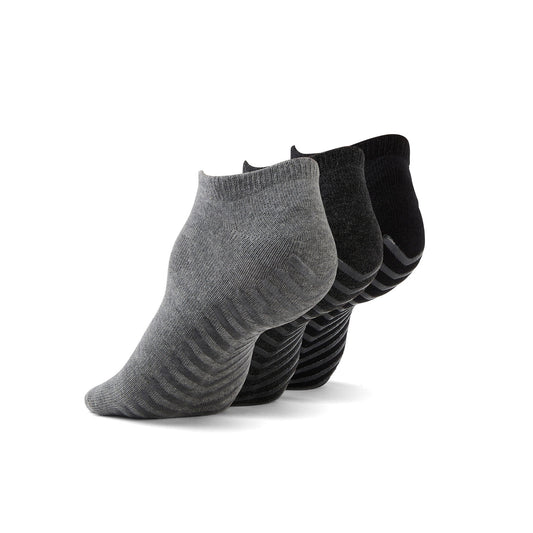
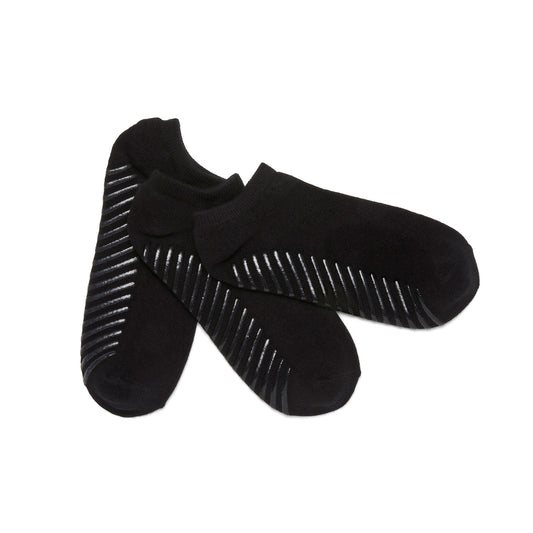
Comfort Crew Anti-Slip Socks (3 pairs)
Certification Standards and Testing Protocols
The Arthritis Foundation’s Ease of Use Certification is not a marketing slogan—it’s a structured evaluation process.
Products that earn the certification must meet criteria developed in partnership with occupational therapists and usability experts. The Foundation works with third-party testing organizations to evaluate how easily people with arthritis can handle, operate, and benefit from a product.
While exact testing procedures vary by category, evaluation typically focuses on:
-
Grip and force requirements: Can the product be opened or operated without excessive twisting or squeezing?
-
Dexterity demands: Does it require fine motor skills that may be difficult during arthritis flare-ups?
-
Comfort and ergonomics: Is the shape designed to reduce strain on joints?
-
Clarity and accessibility: Are instructions legible and easy to understand?
Importantly, products are tested by people living with arthritis—not just engineers in a lab. That lived-experience feedback ensures certification reflects real-world usability.
Some examples of design features that often align with Ease of Use standards include:
-
Larger, ergonomic handles
-
Pump dispensers instead of twist caps
-
Magnetic closures in apparel
-
Lightweight construction
-
High-contrast labeling
These elements may seem simple, but for someone managing chronic joint pain, they can dramatically improve independence.
The certification is category-specific. A kitchen tool, personal care item, or garment must be assessed within its functional context. This prevents a one-size-fits-all approach to accessibility.
Products Earning the Certification
Since launching the program, the Arthritis Foundation has certified products across multiple categories, including household tools, appliances, writing instruments, and personal care items.
Well-known consumer brands have participated, recognizing that accessible design resonates beyond arthritis communities.
Certified products have included:
-
Kitchen gadgets with enlarged grips
-
Electric toothbrushes with easy-press buttons
-
Ergonomic pens designed for reduced hand fatigue
-
Personal care packaging with simplified pump systems
For consumers browsing store shelves, the Ease of Use seal serves as a shortcut. Instead of testing every jar or handle in the aisle, shoppers can look for the Foundation’s mark as a sign that usability has been independently evaluated.
This is especially helpful for:
-
Older adults experiencing age-related joint stiffness
-
Individuals recovering from hand surgery
-
People managing autoimmune-related arthritis
-
Caregivers purchasing for loved ones
Accessible design tends to benefit a wide audience. As the U.S. Census Bureau projects that adults 65 and older will outnumber children by 2034, joint limitations will become increasingly common. Products designed with arthritis in mind often work better for everyone.

Imperfectly Perfect - Gender Neutral Crewneck Sweatshirt
Why This Credential Matters for Purchasing Decisions
In today’s marketplace, consumers are flooded with labels—eco-friendly, cruelty-free, dermatologist-tested. The Ease of Use Certification stands out because it centers physical usability.
For many shoppers, especially those with chronic conditions, purchasing decisions are guided by function first.
Here’s why the certification matters:
-
Reduces guesswork: Shoppers can trust that grip strength and dexterity needs were evaluated.
-
Saves time: No need to research whether a lid requires high torque to open.
-
Builds confidence: The Foundation’s reputation lends credibility.
-
Encourages independence: Easier products mean fewer moments of asking for help.
Research from the CDC shows that arthritis is a leading cause of disability in the United States. Limitations often affect everyday activities such as dressing, cooking, and grooming.
When a product is designed to minimize strain, it supports autonomy. Something as small as a magnetic shirt closure or a pump bottle that works with one hand can preserve dignity.
From an SEO and accessibility standpoint, consumers are increasingly searching for terms like “arthritis-friendly products,” “easy open packaging,” and “adaptive clothing.” Certifications provide reassurance in these searches.
For brands, aligning with a trusted organization like the Arthritis Foundation signals a serious commitment to inclusive design—not just surface-level adaptation.
How Brands Use the Certification in Marketing
Brands that earn the Ease of Use Certification often incorporate the seal into packaging, websites, and promotional materials. But the strongest marketing doesn’t stop at the logo.
Effective communication strategies include:
-
Explaining specific features that earned certification
-
Sharing testimonials from users with arthritis
-
Demonstrating functionality through video content
-
Highlighting collaboration with occupational therapists
Consumers today value transparency. A certification badge paired with a clear explanation of ergonomic design creates credibility.
However, it’s important that brands avoid “accessibility-washing”—using inclusive language without substantial design changes. The certification process helps prevent this by requiring measurable criteria.
In adaptive fashion and personal care, design storytelling matters. When a brand shares how a magnetic closure reduces finger strain or how a pump mechanism requires minimal pressure, it educates customers.
At June Adaptive, we believe accessibility should be visible in both design and communication. Marketing is not about showcasing limitations, it’s about celebrating solutions.

Restore Yourself - Gender Neutral Sweatpants
Future Expansion of Certification Programs in Beauty
One of the most exciting areas for growth in accessibility certification is the beauty and hygiene sector.
Opening a mascara tube, twisting a serum dropper, or squeezing a lotion bottle can be challenging for individuals with arthritis. Yet historically, beauty packaging has prioritized aesthetics over ergonomics.
There is growing awareness that personal care accessibility deserves structured standards.
Potential future expansions in certification programs may address:
-
Pump resistance levels in skincare bottles
-
Cap torque measurements for cosmetic jars
-
One-handed usability testing
-
Readability of ingredient lists
As conversations around inclusive beauty grow, consumers are increasingly asking brands to consider dexterity and grip strength.
Accessible beauty design benefits:
-
People with arthritis
-
Individuals with neurological conditions affecting fine motor skills
-
Temporary injuries
-
Aging adults experiencing reduced hand strength
Forward-thinking brands are beginning to collaborate with advocacy organizations and occupational therapists earlier in the product development cycle.
At June Adaptive, this is where innovation begins—with listening. Designing accessible hygiene products requires real-world testing, not assumptions.
As more certification programs expand into beauty and fashion, the industry will likely see:
-
Greater standardization of ergonomic benchmarks
-
Clear labeling of accessible features
-
Increased collaboration between medical experts and designers
-
Consumer demand driving innovation
The Ease of Use Certification has laid groundwork for accountability in product design. Its evolution into more lifestyle categories could reshape everyday essentials.
Accessibility Is Not a Trend—It’s a Standard
Accessible design should not be limited to medical supply stores. It belongs in mainstream retail aisles, beauty counters, and clothing racks.
The Arthritis Foundation’s certification highlights a key truth: when products are designed for people with joint pain, they often work better for everyone.
At June Adaptive, we view accessibility as a foundation, not a feature. Whether it’s magnetic closures, easy-open packaging, or ergonomic hygiene tools, thoughtful design promotes independence.
When consumers choose certified or ergonomically designed products, they’re not just buying convenience. They’re supporting inclusive innovation.
As the population ages and awareness grows, accessibility will continue to shape purchasing decisions. Certifications like Ease of Use help bridge the gap between medical insight and everyday design.
Accessible products empower confidence. And confidence, in fashion or skincare, is always in style.
If you enjoyed this blog, please sign up to the June Adaptive Newsletter below to receive more updates! ⏳5 minutes of your time could win you a $50 gift card! 🎉Help us design our new adaptive apparel launch by sharing your experience. 👕 Link Here 👈